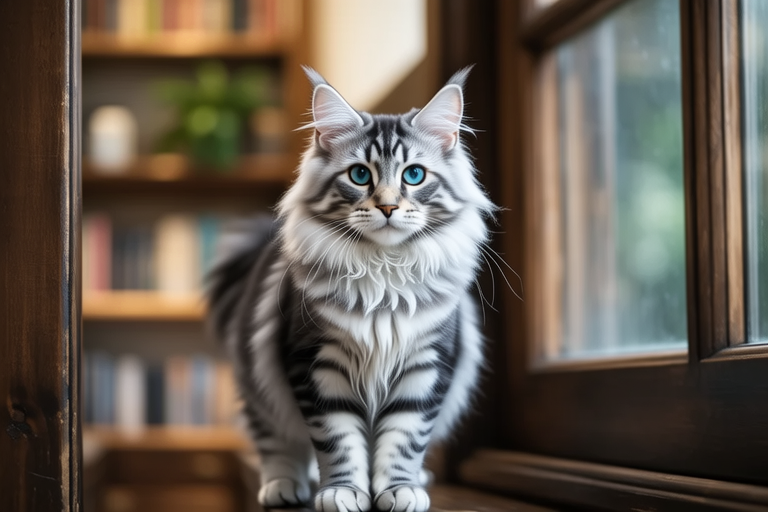
Unveiling the Majestic: Everything You Need to Know About Maine Coons
Welcome to the world of the Maine Coon, one of the largest domesticated cat breeds known for its intelligence, playfulness, and striking appearance. This comprehensive guide will take you through the rich history, unique physical traits, temperament, grooming needs, health considerations, dietary requirements, and common myths surrounding this beloved breed.
The History of Maine Coons
The origin of the Maine Coon remains shrouded in mystery, with several captivating theories. One popular legend suggests that these cats are descendants of long-haired cats brought to America by Marie Antoinette during her ill-fated escape from France. While this tale makes for an intriguing story, there is no concrete evidence to support it. A more plausible theory posits that the breed developed naturally in New England, where they were valued for their hunting prowess and ability to thrive in harsh weather conditions.
Historical records indicate that Maine Coons were already established as a distinct breed by the late 1800s. They gained recognition at cat shows in Boston and New York, showcasing their impressive size, luxurious coats, and friendly demeanor. The breed almost faced extinction in the early 20th century but has since made a remarkable comeback, becoming one of the most popular choices among cat lovers today.
Distinctive Physical Traits
Maine Coons are often referred to as “gentle giants” due to their large size and robust build. Adult males can weigh between 13 to 18 pounds, while females typically range from 9 to 13 pounds. Their bodies are well-proportioned, with broad chests, muscular legs, and a long, bushy tail that acts as a natural muffler in cold weather.
One of the most striking features of Maine Coons is their coat, which is semi-longhaired, dense, and water-resistant. The texture varies depending on the individual, but generally, it feels silky and smooth to the touch. These cats come in a wide array of colors and patterns, including tabby, tortoiseshell, solid colors, and bi-colors. Their eyes are large, expressive, and can be green, gold, or copper, adding to their overall charm.
Another defining characteristic of Maine Coons is their tufted ears, which have long hairs extending from the tips. This feature not only enhances their aesthetic appeal but also provides additional protection against the elements. Their paws are also uniquely designed, featuring extra fur between the toes, making them resemble snowshoes and aiding in mobility over snowy terrain.
Temperament and Personality
Maine Coons are known for their friendly, sociable nature and their affectionate bond with humans. They are often described as dog-like in their behavior, following their owners around the house, greeting them at the door, and even learning to play fetch. This breed thrives on companionship and enjoys interacting with their human family members.
Despite their large size, Maine Coons are gentle and patient, making them excellent companions for families with children and other pets. They possess a playful spirit that never truly fades, even into adulthood. Many owners report that their Maine Coons enjoy games involving toys and puzzles, keeping them mentally stimulated and entertained.
Dr. Sarah Thompson, a veterinarian specializing in feline behavior, emphasizes the importance of socialization during the kitten stage. “Early exposure to different environments, sounds, and people helps Maine Coons develop into well-rounded, confident adults,” she says. “It’s essential to provide them with positive experiences to foster their natural curiosity and friendliness.”
Grooming Needs
Although their thick coats might seem high-maintenance, Maine Coons are relatively easy to groom compared to some other long-haired breeds. Weekly brushing with a slicker brush or comb is usually sufficient to prevent matting and distribute natural oils throughout the coat. During shedding seasons, particularly in spring and fall, more frequent brushing may be necessary to manage the increased amount of loose hair.
Bathing your Maine Coon is generally not required unless they get excessively dirty or have specific hygiene issues. However, if bathing becomes necessary, it’s crucial to use a cat-specific shampoo and follow proper techniques to minimize stress for both you and your pet. Regular nail trimming, dental care, and ear cleaning are also important aspects of maintaining their overall health and appearance.
Veterinary nurse Emily Carter advises, “Consistency is key when it comes to grooming. Establishing a routine helps your cat become accustomed to handling, making the process less stressful for everyone involved. Additionally, using treats and praise during grooming sessions can reinforce positive associations.”
Health Considerations
Like all breeds, Maine Coons are prone to certain genetic health conditions. One of the most concerning issues is hypertrophic cardiomyopathy (HCM), a heart disease characterized by thickening of the heart muscle. Early detection through regular veterinary check-ups and echocardiograms can significantly improve prognosis and management.
Another common condition affecting Maine Coons is hip dysplasia, a degenerative joint disorder that can lead to arthritis and mobility issues. Maintaining a healthy weight and providing appropriate exercise can help reduce the risk and severity of this condition. Regular visits to the vet for routine examinations and vaccinations are vital to ensuring your Maine Coon stays in optimal health.
According to Dr. Thompson, “Preventive care is essential for Maine Coons. Regular monitoring of their health allows us to catch any potential problems early, increasing the chances of successful treatment. It’s also important to discuss with your veterinarian about genetic testing options to identify carriers of specific diseases.”
