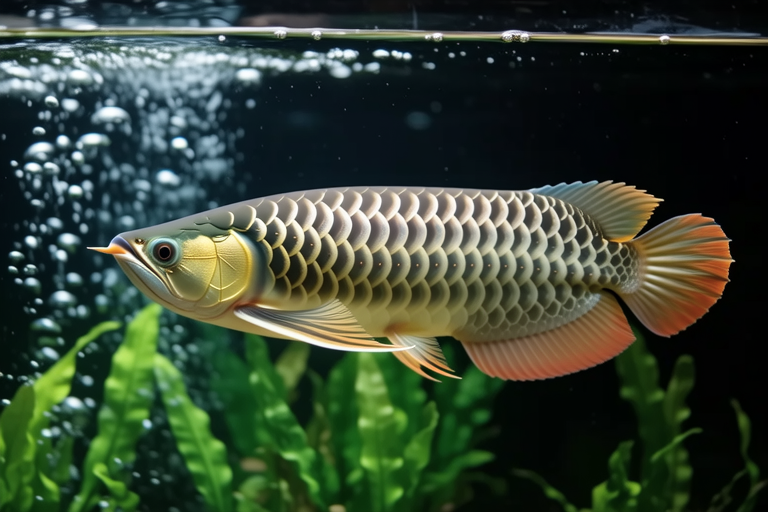
The Hidden Costs of Owning an Arowana: Are You Prepared?
Owning an arowana can be a thrilling experience for any aquarist. These majestic, ancient fish are not only visually stunning but also come with a rich history that dates back millions of years. However, beneath the shimmer of their scales lies a reality that many prospective owners may overlook: the hidden costs of arowana ownership. From initial setup to ongoing maintenance and unexpected expenses, the financial and time commitments can be significant. This article aims to provide a comprehensive overview of these costs to help you make an informed decision before diving into the world of arowanas.
Initial Setup Costs: Tank Size and Filtration Systems
The first step in arowana ownership is setting up their living space. Arowanas require large tanks, typically ranging from 300 to 1000 gallons, depending on the species and the adult size expected. The tank should be at least twice the length of the fully grown fish, allowing ample swimming room. For example, a young arowana might require a 300-gallon tank, but as it grows, this could increase to a 600 or even 1000-gallon tank. This means investing in a tank that can grow with your fish, which is no small feat.
Alongside the tank, filtration systems are crucial. Arowanas produce a lot of waste, and thus, high-quality filtration systems are necessary to maintain water quality. These systems should be robust and capable of handling the volume of water in the tank while also being adjustable as the fish grows. Many owners opt for external filters or sump systems, which can cost upwards of $500 to $1500. Additionally, you will need to consider the cost of heaters, lighting, and other accessories that contribute to creating a healthy environment for your arowana.
Ongoing Maintenance Expenses: Specialized Food and Water Treatment
Once the initial setup is complete, the costs don’t stop there. Feeding arowanas is a significant expense. These fish have specific dietary needs that must be met to ensure their health and longevity. High-quality pellets and live foods, such as feeder fish and shrimp, are essential. Pellets alone can cost between $20 to $50 per month, and live foods can be more expensive, especially if sourced from reputable suppliers. Additionally, the cost of feeding can increase as the fish grows, requiring larger quantities of food.
Water treatment is another ongoing expense. Arowanas are sensitive to water quality, and maintaining pristine conditions requires regular testing and treatment. This includes water conditioners, pH adjusters, and water softeners. Regular water changes and the use of reverse osmosis (RO) systems to purify water can also add to the monthly budget. Expect to spend anywhere from $50 to $150 each month on water treatment products.
Unexpected Costs: Veterinary Care and Habitat Upgrades
While it’s impossible to predict every expense, there are some costs that are more likely to arise than others. One of the most significant unexpected costs is veterinary care. Like any pet, arowanas can fall ill, and specialized aquatic veterinarians who treat exotic fish are not always readily available. Veterinary visits can be expensive, often costing hundreds of dollars for diagnosis and treatment. In some cases, hospitalization may be required, adding to the overall expense.
Another unexpected cost is the need for habitat upgrades. As your arowana grows, its living space may need to be expanded. This could mean upgrading to a larger tank or making significant modifications to the current setup to accommodate the fish’s increased size. These upgrades can range from purchasing new equipment to completely overhauling the aquarium, which can cost several thousand dollars.
Time Commitment: Maintaining Their Environment
Besides the financial investment, owning an arowana also requires a substantial time commitment. The time needed to maintain their environment can be considerable. Daily tasks include monitoring water parameters, performing partial water changes, and ensuring the filtration system is functioning correctly. Regular cleaning of the tank and equipment is also necessary to prevent the buildup of harmful substances.
Feeding your arowana is another time-consuming activity. Not only do you need to prepare their meals, but you also need to observe their eating habits to ensure they are getting the right amount of food. This involves watching for signs of overfeeding or underfeeding, which can impact their health. Additionally, some owners find themselves spending hours each day just admiring their arowana, a testament to the bond that can form between owner and fish.
Emotional Investment: Long-Lived Pets
One of the most rewarding aspects of owning an arowana is the emotional connection that develops over time. These fish can live for decades, providing companionship and a sense of responsibility that lasts for years. However, this longevity also means that owners must be prepared for the emotional challenges that come with caring for a long-lived pet. Grieving the loss of a beloved arowana can be difficult, and the decision to replace them requires careful consideration.
Moreover, the emotional investment goes beyond just the fish itself. It extends to the community of fellow arowana enthusiasts who share knowledge, experiences, and advice. Joining forums and attending events can enrich your experience as an arowana owner, but it also requires time and effort to engage with this community.
Conclusion
Owning an arowana is a significant undertaking that comes with both visible and hidden costs. While the initial setup and ongoing maintenance can be financially demanding, the unexpected expenses and time commitment add layers of complexity. However, for those willing to invest the time, money, and emotional energy, the rewards are immeasurable. Before taking the plunge, it’s essential to thoroughly research and prepare yourself for the responsibilities that come with arowana ownership. By doing so, you can ensure that you and your arowana enjoy a long and fulfilling partnership.
