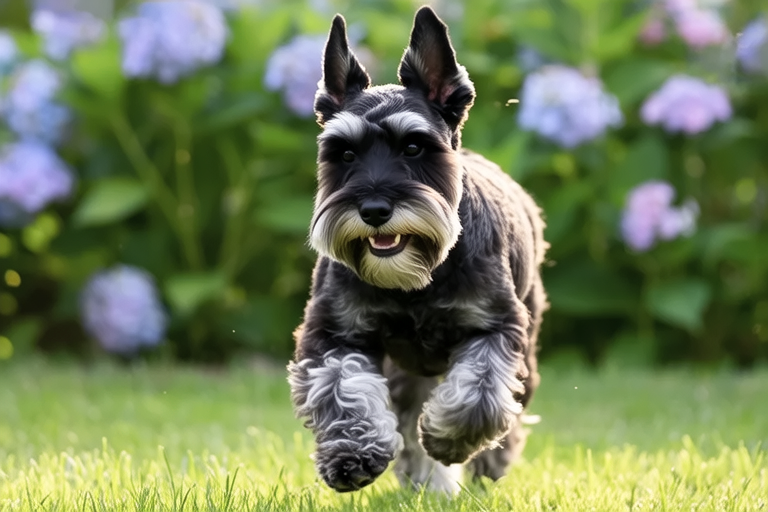
The Ultimate Guide to Keeping Your Schnauzer Healthy and Happy
As a proud owner of a Schnauzer, you want to ensure that your furry companion lives a long, healthy, and happy life. This comprehensive guide will walk you through everything you need to know about keeping your Schnauzer in top condition. From proper nutrition to exercise routines, grooming tips, and socialization techniques, we’ve got you covered.
Proper Nutrition for Your Schnauzer
Feeding your Schnauzer the right diet is crucial for their overall health and well-being. Schnauzers have specific dietary needs that must be met to prevent obesity and other health problems. Here are some guidelines to help you choose the best food for your pet:
- Select high-quality dog food: Opt for premium brands that list real meat as the first ingredient. Avoid foods with fillers, artificial preservatives, and colors.
- Balance macronutrients: Ensure your Schnauzer’s diet contains the appropriate balance of proteins, fats, and carbohydrates. Consult your veterinarian for recommendations based on your dog’s age, weight, and activity level.
- Monitor portion sizes: Overfeeding can lead to obesity, which increases the risk of various health issues. Use feeding guides as a starting point but adjust portions according to your dog’s individual needs.
- Consider supplements: If your Schnauzer has specific dietary requirements or health conditions, consult your vet about adding supplements like fish oil, glucosamine, or joint support chews.
Exercise Routines Tailored for Schnauzers
Schnauzers are an active breed that requires regular physical activity to maintain their mental and physical health. Here are some exercise ideas to keep your Schnauzer happy and healthy:
- Leash walks: Take your Schnauzer for daily walks to explore new environments and stimulate their senses. Aim for at least 30 minutes of walking per day.
- Playtime: Engage in interactive play sessions with toys like balls, frisbees, or puzzle feeders. Playing fetch or tug-of-war can also be great ways to bond with your dog.
- Training sessions: Incorporate basic obedience commands into your routine to challenge your Schnauzer mentally. Teaching tricks or participating in agility classes can provide both mental and physical stimulation.
- Outdoor activities: If possible, allow your Schnauzer to run freely in a secure area such as a fenced yard or dog park. Running off-leash allows them to burn energy and enjoy the freedom of movement.
Grooming Tips for Schnauzers
Schnauzers have a distinctive double coat that requires regular grooming to stay looking its best. Proper grooming also helps prevent matting, skin irritations, and infections. Follow these grooming tips to keep your Schnauzer looking fabulous:
- Bathing: Bathe your Schnauzer every 4-6 weeks using a gentle dog shampoo. Be sure to rinse thoroughly to avoid leaving soap residue on the skin.
- Brushing: Brush your Schnauzer’s coat several times a week to remove loose hair and prevent tangles. Pay special attention to areas prone to matting, such as behind the ears and under the legs.
- Clipping: Regular professional grooming is essential to maintain the signature schnauzer cut. Professional groomers can trim your dog’s beard, eyebrows, and body fur to perfection.
- Ear care: Clean your Schnauzer’s ears weekly using a cotton ball and ear cleaning solution recommended by your veterinarian. Check for signs of infection, such as redness, swelling, or discharge.
- Nail trimming: Trim your Schnauzer’s nails every few weeks to prevent overgrowth. Use nail clippers designed for dogs and be careful not to cut the quick, which can cause bleeding.
Common Health Issues and Preventative Measures
Like all breeds, Schnauzers are susceptible to certain health issues. Early detection and prevention can significantly improve your dog’s quality of life. Familiarize yourself with the following common health concerns and take proactive steps to protect your Schnauzer:
- Allergies: Schnauzers may develop allergies to food, fleas, or environmental factors. Monitor your dog for symptoms such as itching, redness, or gastrointestinal upset. Consult your veterinarian for allergy testing and treatment options.
- Diabetes: Obesity is a leading risk factor for diabetes in Schnauzers. Maintain a healthy weight through proper diet and exercise to reduce the likelihood of developing this condition.
- Hypothyroidism: This endocrine disorder can cause lethargy, weight gain, and skin problems. Regular blood tests can detect hypothyroidism early, allowing for prompt treatment.
- Legg-Calvé-Perthes Disease: This condition affects the hip joint and can cause lameness and pain. Provide your Schnauzer with a comfortable resting place and consider joint supplements recommended by your veterinarian.
Training Methods for Schnauzers
Schnauzers are intelligent and eager to please, making them excellent candidates for training. Positive reinforcement techniques work best with this breed. Start training early and remain consistent to establish good behavior habits:
- Basic commands: Teach your Schnauzer basic commands such as sit, stay, come, and leave it. Use treats, praise, and affection as rewards for desired behaviors.
- House training: Establish a routine for feeding, potty breaks, and crate time. Praise your Schnauzer when they eliminate outside and clean up accidents immediately to discourage repeat behavior.
- Leash manners: Train your Schnauzer to walk politely on a leash without pulling. Use a harness instead of a collar to prevent neck strain. Practice short walks and gradually increase duration as your dog improves.
- Problem-solving: Encourage your Schnauzer to think independently by presenting them with puzzles or games that require problem-solving skills. This can help prevent boredom and destructive behavior.
Advice on Socializing Your Schnauzer
Socialization is key to raising a well-adjusted Schnauzer. Expose your dog to various people, animals, and environments from an early age to build confidence and prevent fear-based aggression:
- Introduce your Schnauzer to different people: Invite friends and family over to meet your puppy. Encourage gentle handling and positive interactions. Take your Schnauzer to public places where they can meet new people.
- Expose your Schnauzer to other animals: Arrange supervised playdates with friendly dogs or introduce your Schnauzer to cats and other pets in controlled settings. Gradually increase exposure time as your dog becomes more comfortable.
- Attend social events: Participate in dog-friendly events such as obedience classes, agility trials, or community gatherings. These events provide opportunities for your Schnauzer to interact with other dogs and people in a structured environment.
- Be patient: Some Schnauzers may be naturally cautious or reserved. Allow your dog to approach new situations at their own pace and reward calm, confident behavior.
By following the advice outlined in this guide, you can ensure that your Schnauzer leads a healthy, happy, and fulfilling life. Remember that each dog is unique, so tailor your approach to suit your Schnauzer’s individual needs and personality. With proper care and attention, your furry friend will bring years of joy and companionship to your home.
