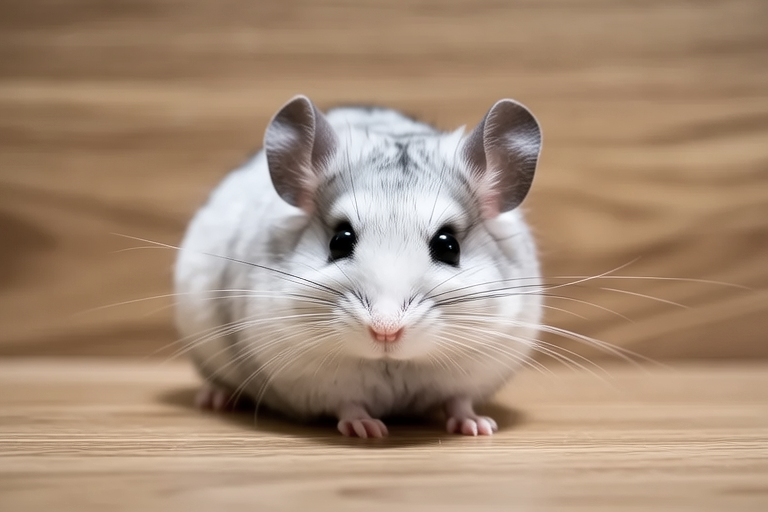
Chinchilla Chronicles: Uncovering Secrets to Their Unique Needs
Welcome to the fascinating world of chinchillas! These charming rodents have captured the hearts of pet enthusiasts around the globe with their soft, plush coats and playful personalities. Originating from the high altitudes of the Andes Mountains in South America, chinchillas have adapted to a life of cool temperatures and rocky terrains. Today, they are cherished as unique pets, but their wild heritage means that they require specialized care to thrive in a domestic setting. This article delves into the intricacies of chinchilla ownership, providing you with all the information you need to ensure your furry friend lives a happy and healthy life.
The Origins of Chinchillas
Native to the Andes Mountains, chinchillas inhabit regions with cold, dry climates and sparse vegetation. Their natural habitat includes steep cliffs and rocky outcrops where they seek refuge from predators and extreme weather conditions. This mountainous environment has shaped their physical attributes, making them well-suited for cooler temperatures and minimal humidity. Understanding these origins is crucial for creating a suitable living space for your pet chinchilla at home.
Physical Characteristics and Care
One of the most striking features of chinchillas is their luxurious fur. Each hair follicle can produce up to 60 individual hairs, resulting in a coat so dense that it’s nearly waterproof. While this dense fur provides excellent insulation, it also requires meticulous grooming to prevent matting and skin issues. Regular dust baths are essential, as they help remove oils and dirt from the fur without over-bathing, which could strip the coat of its natural oils.
In addition to their impressive fur, chinchillas possess large ears and eyes, which enhance their ability to detect predators in their natural habitat. Their teeth are continuously growing, necessitating a diet rich in fiber to keep them worn down properly. Without adequate chewing opportunities, overgrown teeth can lead to serious health problems.
Dietary Needs
Proper nutrition is vital for maintaining a chinchilla’s overall health. A balanced diet should consist primarily of hay, high-quality pellets, and fresh water. Timothy hay is particularly beneficial, as it aids digestion and helps wear down teeth. Pellets formulated specifically for chinchillas provide essential nutrients and should be offered in limited quantities to avoid obesity. Fresh, clean water must always be available, preferably in a sipper bottle to prevent spillage.
It’s important to note that certain foods can be detrimental to a chinchilla’s health. Avoid feeding them sugary treats or human snacks, as these can cause digestive upset, tooth decay, and obesity. Fruits, vegetables, and other human foods should be strictly off-limits unless recommended by a veterinarian.
Housing Requirements
Adequate housing is fundamental for a chinchilla’s wellbeing. Their cage should be spacious enough to allow movement and exploration, ideally measuring at least 4 feet long, 2 feet wide, and 3 feet tall. Multi-level structures with platforms and ramps encourage physical activity and mental engagement. The cage should be placed in a quiet area away from direct sunlight and drafts, as chinchillas are sensitive to both heat and cold.
Bedding is another critical aspect of their living space. Paper-based substrates or fleece liners are preferred due to their absorbency and safety. Avoid wood shavings and cedar, as they can irritate the respiratory system and lead to health issues. Temperature control is paramount, as chinchillas are highly susceptible to overheating. Maintain the room temperature between 60-70°F (15-21°C) and ensure good ventilation to prevent humidity levels from rising.
Social Behaviors
Chinchillas are primarily nocturnal creatures, meaning they are most active during the night. They are naturally solitary animals in the wild, but many can form bonds with their owners. Early socialization and gentle handling can foster a trusting relationship, though each chinchilla may have varying levels of tolerance for interaction. Providing toys and enrichment activities will help satisfy their innate curiosity and prevent boredom.
Maintaining Health and Wellbeing
Regular veterinary check-ups are essential for ensuring your chinchilla’s health. Choose a veterinarian experienced in exotic pets to conduct annual examinations and address any concerns promptly. Vaccinations are generally not necessary for chinchillas, but preventive measures like parasite control and dental care are crucial.
To promote mental stimulation, offer a variety of safe toys designed for small mammals. Chew toys, tunnels, and puzzle feeders can keep your chinchilla engaged and mentally sharp. Additionally, supervised playtime outside the cage can provide valuable exercise and social interaction. Always supervise your chinchilla when they are out of their enclosure to ensure their safety.
Conclusion
Owning a chinchilla is a rewarding experience that comes with significant responsibilities. By understanding their unique needs and providing proper care, you can ensure that your pet thrives in a loving and stimulating environment. From their origins in the Andes to their meticulous grooming habits, each aspect of a chinchilla’s life reflects the adaptations they’ve made to survive in the wild. With dedication and attention to detail, you’ll be able to enjoy a long and fulfilling companionship with your chinchilla.
