The Ultimate Guide to Training Your Energetic Siberian Husky!
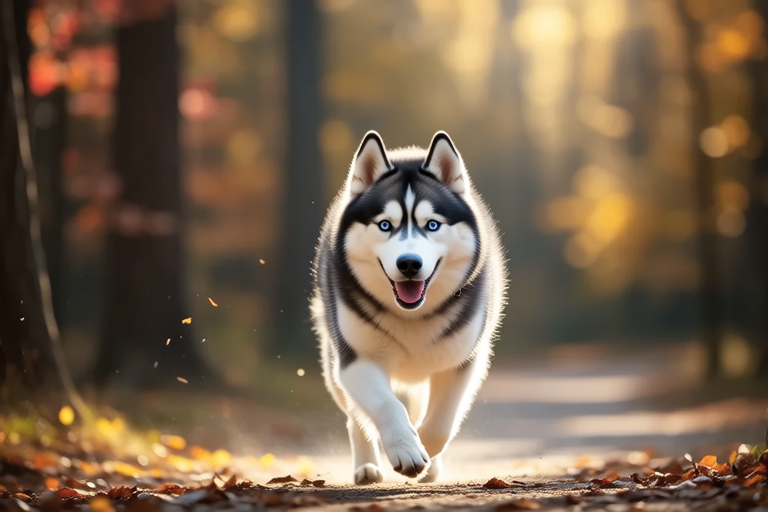
Welcome to the comprehensive guide that will help you train your Siberian Husky effectively. Known for their striking blue or multi-colored eyes and thick, luxurious coats, Siberian Huskies are also famous for their boundless energy and independent spirit. This guide will provide you with practical advice on how to train your Siberian Husky, emphasizing consistency and positive reinforcement methods.
Understanding Their High Energy Levels
Siberian Huskies were bred as working dogs, originally used by the Chukchi people of Siberia to pull sleds across vast distances. This heritage means they have an incredible amount of stamina and a natural desire to run. Understanding this is crucial when it comes to their training. Without adequate exercise, a Siberian Husky can become restless, leading to destructive behavior. Daily physical activity is essential; consider long walks, jogging, or even organized dog sports like agility courses.
Basic Obedience Training
Training your Siberian Husky begins with basic obedience commands such as sit, stay, come, and heel. These commands form the foundation for more advanced training and ensure your dog behaves appropriately in various situations. Use positive reinforcement techniques, rewarding your Husky with treats, praise, or playtime each time they follow a command correctly.
Consistency is key. Always use the same command words and hand signals for each action. For instance, say ‘sit’ every time you want your dog to sit down. If one day you say ‘sit’ and another day ‘down,’ your Husky will get confused. Similarly, always reward your Husky immediately after they perform the desired behavior. This helps them connect the action with the reward, reinforcing good behavior.
Leash Training
Leash training is important for ensuring your Siberian Husky behaves well during walks. Start by acclimating your Husky to the leash. Let them sniff and investigate the leash before putting it on. Once they’re comfortable, attach the leash and let them drag it around for a short period. Gradually increase the length of time until they accept the leash without pulling.
When walking, keep your Husky on a short lead and encourage them to walk beside you. If they start pulling, stop walking and wait for them to return to your side. Once they do, continue walking. This teaches your Husky that pulling leads to stopping, while walking beside you results in forward progress.
Socialization Tips
Socializing your Siberian Husky is vital for their development into a well-adjusted adult dog. Expose your Husky to different environments, people, and other animals from an early age. This helps prevent fear-based aggression and promotes a friendly, confident demeanor.
Start with familiar environments and gradually introduce your Husky to new ones. Invite friends over so your Husky can meet new people. Take your Husky to parks where they can interact with other dogs under controlled conditions. Always supervise these interactions to ensure safety and intervene if necessary.
Mental Stimulation Activities
Besides physical exercise, Siberian Huskies require mental stimulation to keep them engaged and prevent boredom-related behaviors. Puzzle toys, treat-dispensing toys, and interactive games can provide this mental challenge. Hide-and-seek games, where you hide treats around the house for your Husky to find, are particularly effective.
Teaching your Husky new tricks or introducing them to scent work can also be beneficial. Scent work involves hiding objects and teaching your Husky to locate them based on their scent. This activity taps into their natural hunting instincts and provides an excellent mental workout.
Common Behavioral Issues and Solutions
Despite your best efforts, your Siberian Husky may exhibit some challenging behaviors. Here are some common issues and solutions:
- Destructive Behavior: Often a result of boredom or excess energy, providing ample exercise and mental stimulation can help curb this. If your Husky is chewing on furniture or digging up the garden, redirect their attention to appropriate chew toys or provide them with a designated digging area.
- Excessive Barking: Siberian Huskies are known for being vocal. Teach your Husky the ‘quiet’ command by saying ‘quiet’ and then rewarding them when they stop barking. Pair this with ignoring attention-seeking barking, as giving attention can reinforce the behavior.
- Escape Attempts: Due to their strong prey drive and love for exploring, Huskies may try to escape fenced areas. Ensure your fence is secure and high enough to prevent escapes. Consider installing an underground electric fence as an additional deterrent.
Conclusion
Training a Siberian Husky requires patience, dedication, and a deep understanding of their unique needs. By providing consistent, positive reinforcement and addressing their high energy levels through proper exercise and mental stimulation, you can develop a strong bond with your Husky and ensure they become a well-behaved, loving companion. Remember, every dog is unique, and what works for one might need adjustment for another. Stay patient, stay positive, and enjoy the journey of training your Siberian Husky.
