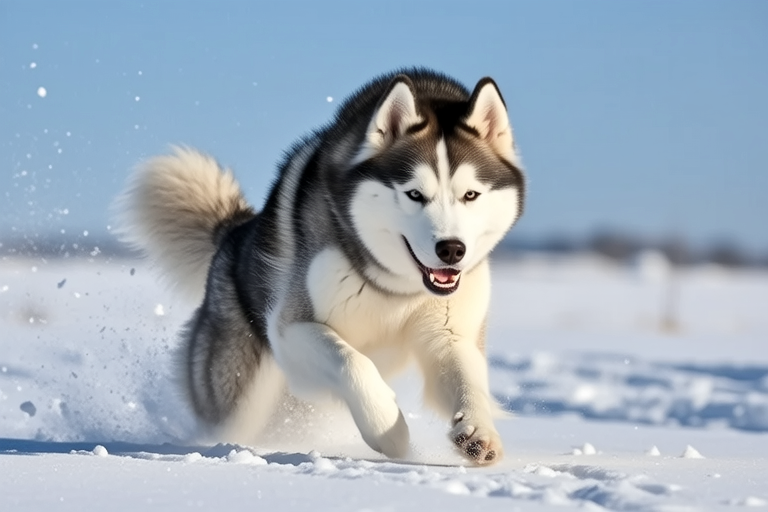
Siberian Huskies Are Not Just Pretty Faces—Here’s Why They’re One-of-a-Kind
Let’s get one thing straight: Siberian Huskies aren’t just stunningly beautiful dogs with mesmerizing blue or multicolored eyes and fluffy, wolf-like coats. While their looks might stop you in your tracks at first glance, it’s what lies beneath the surface—their spirit, strength, and purpose—that truly sets them apart. These aren’t just Instagram-worthy pets; they’re living legends of endurance, intelligence, and loyalty, forged by centuries of survival in one of Earth’s harshest environments.
Think of a Husky as a walking paradox: gentle enough to be a family companion, yet built like a sprinter ready to race across snowfields for miles. Playful and affectionate, but fiercely independent and full of will. This article dives deep into what makes Siberian Huskies more than just pretty faces—they’re extraordinary animals with unique traits that demand respect, understanding, and dedication from their owners.
High Energy and Endurance: Built for the Long Haul
One of the most misunderstood aspects of Huskies is their energy level. These dogs aren’t content with a quick walk around the block and a nap on the couch. They were bred to pull sleds across vast Arctic landscapes, often covering hundreds of miles in extreme conditions. That means they possess an almost limitless stamina and an innate need to move.
A typical Husky can run at speeds up to 30 miles per hour for extended periods—yes, faster than many human athletes! Their powerful hindquarters, efficient stride, and thick double coat are all evolutionary adaptations designed for long-distance travel. Even today, many Huskies thrive when given the opportunity to run freely in safe, enclosed spaces or participate in dog sports like mushing, agility, or flyball.
For potential owners: If you’re looking for a low-maintenance pet who lounges all day, a Husky may not be the right fit. Expect at least 60–90 minutes of vigorous daily exercise—preferably outdoors. A simple walk won’t cut it. You’ll need to engage their minds and bodies with activities that challenge both. Think hiking, biking (with a harness), or even interactive games that mimic chase or retrieval.
Intelligence and Independence: The Mind Behind the Mane
Huskies are incredibly intelligent—but not in the way most people assume. Unlike breeds trained to obey commands instantly, Huskies think for themselves. They’re problem solvers, natural observers, and quick learners. But this independence can come across as stubbornness, especially if training isn’t approached correctly.
They’re not trying to defy you—they’re assessing situations, weighing options, and deciding whether something makes sense to them. This mental independence is part of their heritage: in the wild, a dog couldn’t survive by blindly following orders. It had to adapt, make decisions, and work with the pack.
So how do you train a Husky effectively? Consistency, positive reinforcement, and patience are key. Avoid harsh corrections—Huskies respond best to kindness, clear communication, and rewards. Use treats, praise, and play as motivation. Keep training sessions short (5–10 minutes) to maintain their focus, and always end on a high note.
Also, remember: a bored Husky is a mischievous Husky. Without mental stimulation, they’ll find their own entertainment—like digging holes, chewing furniture, or escaping fences. Engage their minds with puzzle toys, scent games, or obedience drills to keep them happy and well-behaved.
Strong Pack Mentality: Loyalty Beyond Words
Despite their independent streak, Huskies are deeply social animals rooted in pack behavior. In the wild, they relied on cooperation and mutual trust to survive. Today, that instinct translates into strong bonds with their human families.
They don’t just see you as a caretaker—they see you as part of their inner circle. When properly bonded, Huskies are fiercely loyal, protective, and eager to please their pack. They love being involved in family activities, whether it’s sitting beside you during dinner, joining in on backyard games, or simply watching over the household.
But here’s a crucial point: Huskies don’t tolerate being isolated or ignored. They thrive on companionship and emotional connection. Leaving them alone for long stretches can lead to anxiety, destructive behaviors, or excessive barking. If you work long hours or travel frequently, consider getting a second dog for company—or ensure your Husky has plenty of mental and physical engagement while you’re away.
And yes, they’re generally friendly toward strangers—this isn’t a guard dog breed. But their loyalty to their family is unmatched. They’ll greet guests with curiosity and warmth, never aggression, making them excellent additions to households that value inclusivity and openness.
Remarkable Adaptability to Cold Climates: Nature’s Winter Warriors
Ask any Husky owner why their dog doesn’t seem bothered by freezing temperatures, and you’ll hear the same answer: “Because they’re built for it.” And they’re right.
The Husky’s thick, dual-layered coat—composed of a soft undercoat and coarse outer guard hairs—is one of nature’s finest insulators. It traps air close to the skin, creating a warm microclimate. This allows them to withstand sub-zero temperatures without shivering, even when resting outdoors.
But here’s the twist: despite their cold tolerance, Huskies don’t actually enjoy being overheated. In warmer climates, they’re at risk of heat stress due to their dense fur. That means summer months require extra care—shade, cool water, and limiting outdoor activity during peak heat hours.
Owners in mild or hot regions should take special precautions: use cooling vests, provide access to shaded areas, and avoid exercising during midday sun. A Husky’s ability to endure cold doesn’t mean they’re immune to heat-related illness. Respect their biology—and keep them safe year-round.
Grooming Needs: Beauty Requires Commitment
Those luxurious, fluffy coats don’t come without effort. Huskies shed seasonally—especially in spring and fall—when they lose their winter undercoat in a process called “blowing coat.” During these times, they can shed so heavily that it feels like snowfall indoors.
Regular brushing—at least 3–5 times a week—is essential to manage shedding and prevent matting. Use a slicker brush and a de-shedding tool to remove loose hair efficiently. During heavy shedding seasons, daily brushing may be necessary. Don’t skip this routine—it prevents tangles, skin irritation, and keeps your home cleaner.
Other grooming needs include regular ear cleaning (to prevent infections), nail trimming (every 2–3 weeks), and dental care (brushing 2–3 times weekly). Baths are only needed occasionally—over-bathing strips natural oils from their coat. A good quality shampoo formulated for double-coated breeds helps preserve their coat health.
While grooming takes time, it’s also a bonding experience. Many Huskies enjoy the attention and relaxation that comes with a good brushing session. Treat it as part of your daily connection—not just a chore.
Training Tips for Success: Building Trust, Not Control
Training a Husky isn’t about dominance—it’s about partnership. These dogs respond poorly to forceful methods and thrive under leaders who earn their respect through consistency, fairness, and empathy.
- Start Early: Begin socialization and basic obedience as soon as you bring your Husky home. Expose them to different people, sounds, surfaces, and environments gradually.
- Use Positive Reinforcement: Reward good behavior with treats, praise, or play. Huskies are motivated by rewards and enjoy learning when it’s fun.
- Be Patient with Commands: They may not respond immediately. Stay calm, repeat the command gently, and try again later. Never yell or punish—this damages trust.
- Keep It Fun: Training should feel like a game. Incorporate tricks, agility courses, or scent work to keep things engaging.
- Set Clear Boundaries: While they’re independent, they still need structure. Establish rules early and enforce them calmly but consistently.
Remember: a well-trained Husky is a happy Husky. With the right approach, they can become obedient, reliable companions who delight in pleasing you.
Loyalty, Playfulness, and Family-Oriented Spirit
Beneath their striking appearance lies a heart full of joy and devotion. Huskies are playful creatures who never quite grow up—no matter their age. They love chasing balls, wrestling with siblings, or simply rolling in the grass like puppies.
This zest for life extends to their relationships with children and other pets. Most Huskies adore kids, treating them with gentle curiosity and affection. They’re patient, tolerant, and often act as unofficial guardians—watching over the little ones with quiet vigilance.
They also form strong bonds with other dogs. In fact, many Huskies thrive in multi-dog households where they can interact and play. However, introductions should be supervised initially to ensure compatibility.
What makes them truly special is their ability to balance goofiness with seriousness. They can be silly one moment and alert the next—whether guarding the yard or responding to a call from their family. This blend of humor and responsibility is rare in the canine world.
Why Huskies Stand Out—Beyond the Surface
When you look at a Siberian Husky, you’re not just seeing a dog—you’re seeing a legacy. A creature shaped by thousands of years of survival, evolution, and purpose. Their beauty is real, yes—but it’s not the whole story.
They’re endurance machines, intelligent thinkers, loyal companions, and resilient survivors. They challenge our assumptions about what a pet can be—demanding more than just love, but respect, time, and commitment.
But for those willing to meet them on their terms, the reward is immeasurable. A Husky brings laughter into your home, energy into your days, and unwavering loyalty into your life. They don’t just follow your lead—they walk beside you, side by side, through every adventure.
If you’re drawn to a dog that’s more than just a decoration—a dog with depth, purpose, and personality—then the Siberian Husky might be your perfect match. They’re not easy. But they’re unforgettable.
Final Thoughts: More Than Meets the Eye
Siberian Huskies are not just pretty faces. They’re complex, dynamic, and deeply rewarding companions. Their strength, intelligence, and heart set them apart from nearly every other breed.
They remind us that true beauty lies not in appearances, but in character. In the way they push through fatigue, in the way they think before they act, in the way they stand by you through thick and thin.
If you’re ready to invest time, energy, and love into a dog who demands nothing less than your best—then welcome to the world of the Siberian Husky. You won’t just gain a pet. You’ll gain a partner. A friend. A family member with fur, four legs, and a soul that matches yours.
Because in the end, what makes a Husky exceptional isn’t how they look—it’s how they live. And that, my friends, is truly one-of-a-kind.
