5 Shocking Goldfish Habits You Never Knew About
You’ve probably seen goldfish gliding through a bowl or tank—calm, quiet, and maybe even a little boring. But what if we told you these tiny swimmers are far more complex than they appear? Behind those big, unblinking eyes lies a surprising intelligence, social awareness, and habits that would make any pet owner do a double-take. Forget the myth that goldfish have a three-second memory—science says otherwise. In fact, they can remember faces, recognize music, and even form bonds with their owners. Ready to dive into the underwater world of goldfish secrets? Let’s explore five shocking habits you never knew your fish had.
1. They Remember Your Face (Yes, Really!)
One of the most mind-blowing facts about goldfish is their ability to recognize human faces. Scientists at Plymouth University in the UK conducted a study where researchers trained goldfish to distinguish between different human faces using positive reinforcement. The fish learned to associate specific faces with food rewards—and not only could they tell them apart, but they could also recall them weeks later.
This isn’t just about basic recognition—it’s about long-term memory. Goldfish have been shown to retain information for months, not days. So when you wave at your fish or lean over the tank, it’s not just reacting to movement. It might actually be recognizing you. That’s right: your goldfish knows who you are. And yes, it might even remember when you forgot to feed it last Tuesday.
2. They Can Learn Tricks (And They’re Not Just Random Swims)
Goldfish aren’t just passive creatures floating around. They’re capable of learning simple tasks—yes, tricks. In lab settings, goldfish have been trained to press levers for food, navigate mazes, and even respond to specific cues like lights or sounds.
One famous experiment involved training goldfish to push a ball through a hoop—just like a dog learns to fetch. After consistent training, the fish mastered the task in just a few weeks. Another study showed that goldfish could learn to avoid certain areas of a tank after being shocked there once—a clear sign of both memory and problem-solving skills.
While you might not teach your goldfish to do backflips (yet), the potential is real. With patience and positive reinforcement, you can train them to follow your finger, swim through hoops, or even respond to hand signals. Think of them as aquatic puzzle solvers with a flair for the dramatic.
3. They Have Social Lives (And They Might Miss You When You’re Gone)
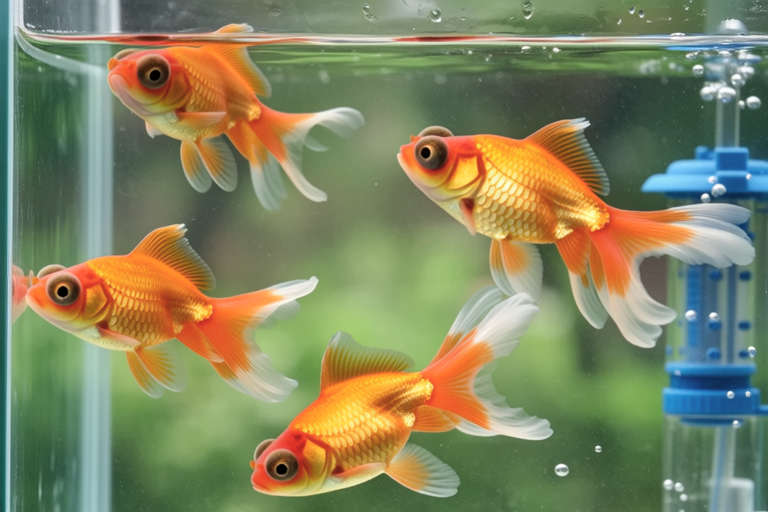
Contrary to popular belief, goldfish aren’t solitary loners. They’re actually social animals that thrive in groups. In the wild, they live in schools for protection and coordination. Even in captivity, goldfish show signs of companionship and emotional well-being when kept with others.
Research has shown that goldfish housed alone often exhibit stress behaviors—like erratic swimming, loss of appetite, and hiding. On the flip side, those kept in pairs or small groups display calmer, more natural behaviors. Some even develop distinct personalities: one may be bold and curious, another shy and cautious.
Interestingly, goldfish can form lasting bonds with each other. Observations in home tanks reveal that some fish consistently swim together, groom each other (by gently nipping fins), and even seem to comfort one another during stressful events. It’s not just about survival—it’s about connection.
4. Their Feeding Habits Are More Complex Than You Think
We all know goldfish love food—but here’s the twist: they don’t just eat whenever they’re hungry. Goldfish are highly attuned to routine and timing. Studies show they can anticipate feeding times based on daily patterns. If you feed them at 8 a.m. every day, they’ll start showing up at the surface around that time—even before you arrive.
What’s even more impressive? They can distinguish between different types of food. In controlled experiments, goldfish learned to choose a specific pellet over another based on past reward history. They can also detect subtle differences in flavor and texture, which means their diet isn’t just about calories—it’s about sensory experience.
But here’s a warning: overfeeding is a common mistake. Goldfish have no concept of “I’m full.” They’ll keep eating until they’re sick—or worse, until they die from bloating. Their digestive systems are slow, and excess food rots in the tank, polluting the water. Feed them only what they can consume in under two minutes, twice a day.
5. They’re Sensitive to Light, Sound, and Tank Setup (They’re Not Just “In There”)
Goldfish aren’t just passive occupants of your tank—they’re actively aware of their environment. They respond strongly to lighting, sound, and tank layout. Bright overhead lights can cause stress, while dim, natural lighting mimics their native habitats and promotes calm behavior.
Studies have shown that goldfish can differentiate between various types of music. In one experiment, they preferred classical music over rock or heavy metal. They even showed reduced stress levels when exposed to calming tunes. Meanwhile, sudden loud noises—like slamming doors or shouting—can send them into panic mode, darting around the tank in fear.
And don’t underestimate the importance of tank design. Goldfish need space, plants, hiding spots, and clean water. A bare, cramped tank with no structure leads to boredom and anxiety. A well-planted tank with gentle currents and varied terrain encourages exploration and enrichment—much like how cats enjoy scratching posts or dogs love tunnels.
Conclusion: Treat Your Goldfish Like the Smart, Social Pets They Are
Goldfish are far more than decorative ornaments or classroom pets. They’re intelligent, emotionally aware, and deeply responsive to their surroundings. From remembering your face to forming friendships, learning tricks to sensing music, these little fish are full of surprises.
The next time you glance into your tank, don’t just see a fish swimming by. See a creature with a personality, a memory, and a unique way of experiencing the world. And with that understanding comes responsibility.
Keep your goldfish in a properly sized tank (at least 20 gallons for one fish, plus 10 more per additional fish). Maintain clean water with regular testing. Provide enrichment through varied environments and interaction. And above all—don’t underestimate them. They’re not just surviving; they’re thriving when given the right care.
So go ahead—talk to your goldfish, play soft music, and watch them swim toward you when you approach. They’re not just watching. They’re noticing. They’re remembering. And in their own quiet way, they’re letting you know they appreciate you too.
