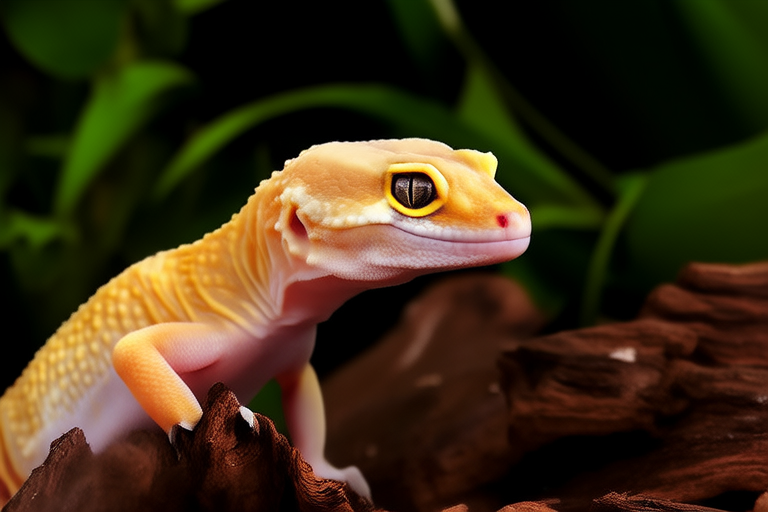
Leopard Gecko Care Guide: Tips for New and Experienced Owners Alike
Introduction
Welcome to the Leopard Gecko Care Guide! Whether you’re a first-time owner or an experienced herpetologist, this guide will provide you with valuable insights into creating a thriving environment for your pet. We’ll cover everything from habitat setup and dietary needs to health care, handling tips, and breeding information. By following these guidelines, you can ensure your leopard gecko lives a long, healthy, and happy life.
Habitat Setup
The first step in caring for your leopard gecko is setting up a proper habitat. Leopard geckos require a spacious enclosure that mimics their natural environment. Here’s what you need:
- Tank Size: A 10-gallon tank is sufficient for one adult leopard gecko, but a larger tank (20 gallons) is recommended for two geckos.
- Substrate: Avoid loose substrates like sand or wood shavings, which can cause impaction. Instead, opt for reptile carpet, paper towels, or tile flooring.
- Temperature Gradient: Maintain a temperature gradient within the tank, ranging from 78°F to 90°F (26°C to 32°C). Use a heat lamp or under-tank heater to achieve this.
- Hiding Spots: Provide several hiding spots made from rocks, caves, or cork bark to mimic their natural burrows.
- Humidity: Leopard geckos prefer low humidity levels around 30-40%. A small water dish can help maintain moisture.
Diet Requirements
Leopard geckos are insectivores, meaning they primarily eat insects. Their diet should be varied to ensure they receive all necessary nutrients:
- Insects: Offer crickets, mealworms, dubia roaches, and waxworms. Dust these insects with calcium powder and vitamin supplements before feeding.
- Feeding Frequency: Feed adults twice weekly, while juveniles may require daily feedings.
- Water: Provide fresh water daily in a shallow dish. Clean the dish regularly to prevent bacterial growth.
Health Care Basics
Regular health checks are essential for keeping your leopard gecko healthy. Monitor for signs of illness such as lethargy, loss of appetite, or changes in stool consistency. Common health issues include:
- Mouth Rot: Characterized by swelling and discharge around the mouth. Seek veterinary care immediately.
- Metabolic Bone Disease (MBD): Caused by calcium deficiency. Ensure proper supplementation and UVB lighting.
- Impaction: Occurs when substrate is ingested. Prevent by using appropriate substrate and avoiding loose materials.
Visit a reptile veterinarian annually for a check-up and to discuss any concerns.
Handling Tips
Leopard geckos are generally docile and easy to handle. However, it’s important to follow these guidelines to ensure their safety and comfort:
- Gentle Handling: Support the gecko’s entire body with both hands, avoiding excessive squeezing.
- Frequency: Handle your gecko once or twice a week to promote bonding and reduce stress.
- Avoid Tail Loss: Leopard geckos can drop their tails as a defense mechanism. Handle them gently to prevent accidental tail loss.
Breeding Information
If you’re interested in breeding leopard geckos, here are some key points to consider:
- Age and Size: Breeding females should be at least one year old and weigh over 35 grams.
- Courtship: Males will display courtship behaviors, such as head bobbing and tail wagging, towards females.
- Egg Laying: Females will lay clutches of 1-3 eggs every 3-5 weeks during the breeding season.
- Nesting Box: Provide a nesting box filled with moist vermiculite or coconut fiber for egg laying.
Breeding leopard geckos requires careful planning and attention to detail. Consult with experienced breeders or veterinarians for guidance.
Common Mistakes to Avoid
Here are some common pitfalls to watch out for:
- Improper Substrate: Avoid loose substrates that can cause impaction.
- Incorrect Temperature: Ensure the correct temperature gradient to prevent stress and illness.
- Overfeeding: Feed your gecko appropriately to avoid obesity and related health issues.
- Lack of Environmental Enrichment: Provide hiding spots, climbing structures, and toys to keep your gecko mentally stimulated.
Advice for New Owners
Starting out with a leopard gecko can be exciting, but it also comes with responsibilities:
- Research: Thoroughly research leopard gecko care before bringing one home.
- Patience: Allow your gecko time to acclimate to its new environment.
- Consult Experts: Don’t hesitate to ask questions and seek advice from experienced owners or veterinarians.
Advice for Experienced Owners
For those who have owned leopard geckos for some time, here are some additional tips:
- Environmental Enrichment: Regularly rotate toys and hiding spots to keep your gecko engaged.
- Health Monitoring: Keep a close eye on your gecko’s behavior and appearance, and address any concerns promptly.
- Community Involvement: Stay active in reptile communities to share knowledge and experiences.
Conclusion
Caring for a leopard gecko is a rewarding experience that requires dedication and attention to detail. By following the guidelines outlined in this care guide, you can provide your gecko with a comfortable, stimulating environment. Remember to prioritize regular interaction and environmental enrichment for their overall well-being. With proper care, your leopard gecko can live a long and healthy life.
