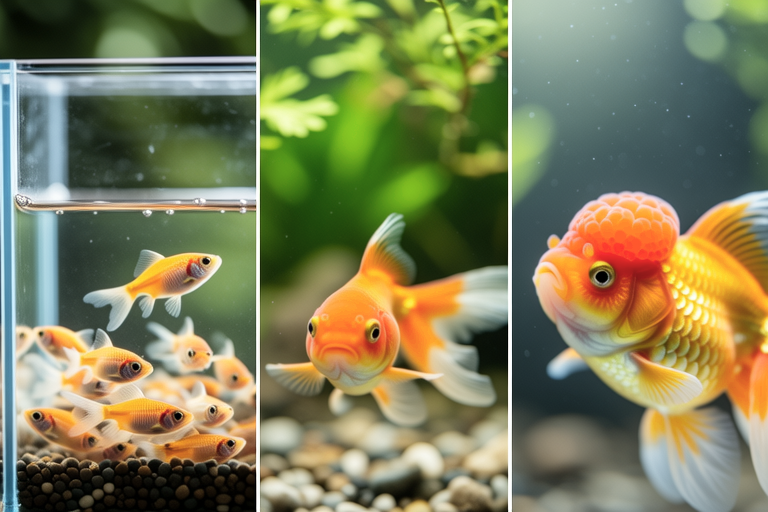
From Tiny Fry to Majestic Swimmer: Your Complete Goldfish Journey
Welcome to your comprehensive guide on goldfish care, from the moment they hatch as tiny fry to their development into majestic swimmers. This journey will take you through every stage of a goldfish’s life, providing essential information on care, nutrition, and health.
Goldfish Reproduction and Birth of Fry
Goldfish reproduction begins with the breeding process, which usually takes place in spring when water temperatures reach between 68°F and 74°F (20°C and 23°C). During this time, male goldfish develop small white bumps called breeding tubercles on their gill covers and pectoral fins. These serve to stimulate the female during spawning. The actual spawning process is triggered by environmental factors like increased water temperature and longer daylight hours.
The female goldfish release hundreds or even thousands of eggs, which are then fertilized externally by the males. After fertilization, the eggs stick to plants or other surfaces within the aquarium. Within 48 to 72 hours, depending on water temperature, the eggs will hatch, revealing tiny fry measuring less than half an inch in length.
Optimal Care for Fry Growth
Caring for newly hatched fry requires attention to detail to ensure their survival and healthy development. The first few weeks are critical, as the fry are extremely vulnerable. Here’s what you need to know:
Diet
Newborn fry feed primarily on microscopic organisms found in the water, such as infusoria. As they grow larger, they can be introduced to commercial fry food, finely crushed flakes, or powdered fish food. It’s crucial to provide frequent, small meals throughout the day to support their rapid growth.
Tank Conditions
Fry require a separate tank to avoid predation by larger fish and to maintain stable water conditions. A ten-gallon tank is adequate for a small group of fry. Water quality is paramount; regular partial water changes and filtration help maintain clean, oxygen-rich water. Keep the water temperature between 72°F and 78°F (22°C and 26°C).
Common Challenges
One of the most significant challenges for fry is overcrowding, which can lead to stunted growth and increased stress. Regular monitoring and culling of weak fry can help maintain a healthy population. Additionally, diseases like ich can be devastating, so it’s important to quarantine any new additions to the tank and monitor for signs of illness.
Juvenile Goldfish Care
As the fry grow into juveniles, their care requirements evolve. At this stage, focus shifts to ensuring they have ample space to swim and grow, along with appropriate nutrition and monitoring of their behavior.
Dietary Needs
Juvenile goldfish benefit from a varied diet that includes high-quality flake foods, pellets, and occasional live or frozen foods like brine shrimp or bloodworms. Avoid overfeeding to prevent water pollution and potential health issues.
Tank Size Adjustments
By the time they reach juvenile status, goldfish will need more space. A twenty-gallon tank is suitable for one or two juveniles, but plan to upgrade to a larger tank as they continue to grow. Each additional goldfish requires approximately 20 gallons of water.
Behavioral Observations
Regularly observe your goldfish for signs of aggression, stress, or disease. Healthy juveniles are active and curious, showing interest in their surroundings and food. Any unusual behavior, such as lethargy or loss of appetite, may indicate underlying health issues and should prompt immediate investigation.
Adult Goldfish Care
Once your goldfish reach adulthood, typically around one year old, their care becomes more about maintaining their environment and ensuring long-term health.
Nutrition
Adult goldfish thrive on a balanced diet that includes high-protein foods, vegetables, and occasional treats. Feed them once or twice daily, offering only what they can consume within a couple of minutes to prevent overfeeding.
Tank Maintenance
Regular water changes are vital for maintaining water quality. Aim for at least a 25% water change weekly, ensuring that the water used is dechlorinated and matches the tank temperature. Proper filtration is also essential, as goldfish produce a lot of waste.
Health Issues
Common health issues include fin rot, swim bladder disorders, and parasites. Early detection and treatment are key to managing these problems. Regular checks for signs of disease, such as frayed fins, lethargy, or abnormal swimming patterns, can help catch issues before they become serious.
Enrichment Activities
To keep adult goldfish mentally stimulated, incorporate enrichment activities into their environment. Floating plants, caves, and toys can provide hiding spots and areas for exploration. Rotate these items periodically to maintain interest and prevent boredom.
Lifespan of Goldfish, Signs of a Healthy Fish, and Long-Term Care Tips
Goldfish can live for many years under proper care, with some reaching ages of 10 to 15 years or more. A healthy goldfish displays vibrant colors, clear eyes, and active swimming behavior. They eat regularly and show no signs of distress or illness.
To ensure long-term care, establish a routine that includes regular water testing, feeding schedules, and tank maintenance. Be prepared for the possibility of unexpected health issues, and always consult a veterinarian specializing in aquatic animals for advice and treatment options.
In conclusion, your goldfish’s journey from tiny fry to majestic swimmer is a rewarding experience filled with learning and growth. By understanding and meeting their changing needs at each stage of life, you can provide a nurturing environment that supports their health and happiness. Enjoy watching your goldfish flourish!
