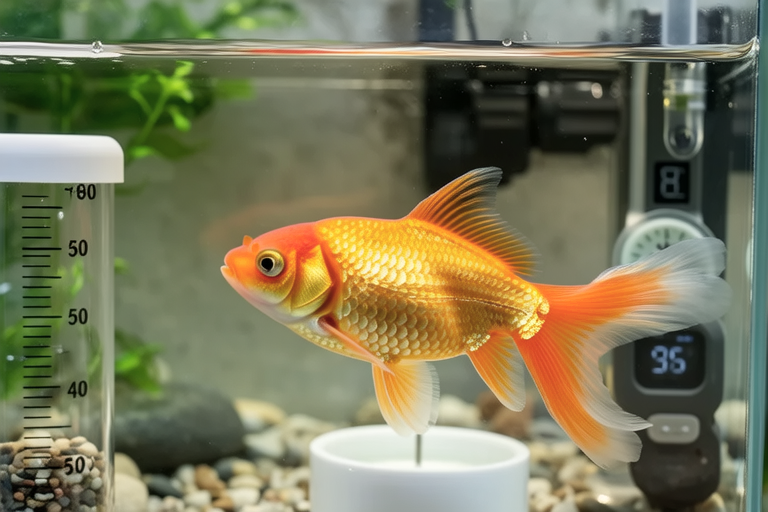
How to Feed Your Goldfish Like a Pro: A Complete Feeding Guide
Welcome to your ultimate guide on how to feed your goldfish like a pro! Whether you’re a seasoned aquarist or just starting out, this comprehensive guide will equip you with everything you need to know about keeping your goldfish healthy and happy through proper nutrition. Let’s dive into the world of goldfish feeding!
Understanding Goldfish Dietary Needs
Goldfish are omnivorous, meaning they eat both plant matter and animal-based foods. In the wild, they graze on algae, small insects, and plants. As pet owners, it’s our job to replicate their natural diet as closely as possible.
Goldfish require a balanced diet rich in proteins, fats, carbohydrates, vitamins, and minerals. Protein is crucial for growth and muscle development, while fats provide energy and help absorb fat-soluble vitamins. Carbohydrates supply energy, and vitamins and minerals support overall health.
It’s important to note that goldfish have small stomachs and short digestive tracts. This means they can only process small amounts of food at a time, so feeding them several small meals daily is ideal.
Types of Food Suitable for Goldfish
There are various types of food available for goldfish, each catering to different nutritional needs. Here are some popular options:
- Dry Flakes: These are convenient and widely available. They come in different flavors and sizes, making them suitable for both small and large goldfish. However, they tend to float, which can lead to overfeeding if not carefully monitored.
- Frozen Foods: These include brine shrimp, bloodworms, and daphnia. Frozen foods are highly nutritious and can be beneficial for boosting color and enhancing vitality. They should be thawed before feeding.
- Live Foods: Live foods such as mosquito larvae, daphnia, and brine shrimp are excellent for encouraging natural feeding behaviors. They also provide high-quality nutrients. However, there’s a risk of introducing diseases or parasites, so they should be sourced from reputable suppliers.
- Gel Foods: Gel foods are specially formulated for goldfish and come in various flavors. They are easy to digest and provide a balanced diet. They can be particularly useful for goldfish that have difficulty eating dry foods.
- Vegetables: Goldfish enjoy nibbling on fresh vegetables like zucchini, peas, and lettuce. These should be blanched (lightly boiled) to make them easier to digest.
Recommended Feeding Amounts and Frequencies
Feeding your goldfish the right amount and frequency is key to their health and longevity. Overfeeding can lead to obesity, poor water quality, and even death, while underfeeding can result in malnutrition and stress.
A good rule of thumb is to feed your goldfish two to three times a day. Each feeding session should last no more than five minutes. You should only give them as much food as they can consume within this time frame. If there’s any leftover food after five minutes, reduce the amount for the next feeding.
For small goldfish, start with a pinch of food per fish per feeding. Increase the amount gradually as they grow. For larger goldfish, you might need to increase the portion size accordingly.
It’s also essential to consider the water temperature. Goldfish are coldwater fish, and their metabolism slows down in cooler temperatures. During colder months, you may need to reduce the frequency and amount of food slightly.
Common Feeding Mistakes to Avoid
Even the most experienced goldfish owners can fall into feeding traps. Here are some common mistakes to avoid:
- Overfeeding: One of the most common mistakes is overfeeding. Remember, goldfish have small stomachs, and excess food can lead to bloating, swim bladder disorders, and poor water quality.
- Underfeeding: On the flip side, underfeeding can cause malnutrition and stunted growth. Make sure your goldfish are getting enough food to maintain their energy levels and growth.
- Uneaten Food: Leaving uneaten food in the tank can lead to water pollution. Always remove any leftover food after feeding to keep the water clean.
- Inconsistent Feeding Schedule: Goldfish thrive on routine. Feeding at the same time each day helps establish a predictable feeding schedule, reducing stress and promoting healthy digestion.
- Ignoring Water Quality: Poor water quality can negatively affect your goldfish’s health. Regularly test the water parameters and perform partial water changes to maintain optimal conditions.
Tips for Maintaining Water Quality Post-Feeding
Proper water maintenance is crucial for the health of your goldfish. Here are some tips to ensure the best water quality post-feeding:
- Regular Water Changes: Perform weekly water changes of around 20-30% to remove waste products and maintain clean water. This helps prevent ammonia and nitrite spikes that can harm your fish.
- Use a Siphon Tool: After feeding, use a siphon tool to remove any uneaten food from the substrate. This prevents organic matter from decomposing and polluting the water.
- Monitor Ammonia Levels: Ammonia is toxic to goldfish, especially in higher concentrations. Use an ammonia test kit to monitor levels and address any issues promptly.
- Install a Good Filter: A high-quality filter can help keep the water clean by removing debris and breaking down harmful substances. Choose a filter that suits the size of your tank and the number of fish you have.
- Provide Adequate Oxygenation: Goldfish require well-oxygenated water to thrive. Ensure your tank has sufficient surface area for gas exchange and consider adding an air pump if necessary.
Conclusion
Feeding your goldfish properly is one of the most important aspects of goldfish care. By understanding their dietary needs, choosing the right type of food, feeding the correct amounts and frequencies, avoiding common mistakes, and maintaining good water quality, you can ensure your goldfish live long, healthy, and vibrant lives.
Remember, every goldfish is unique, so it may take some trial and error to find the perfect feeding routine for your fish. Stay patient, observe their behavior, and adjust as needed. With these tips and a bit of practice, you’ll be feeding your goldfish like a pro in no time!
