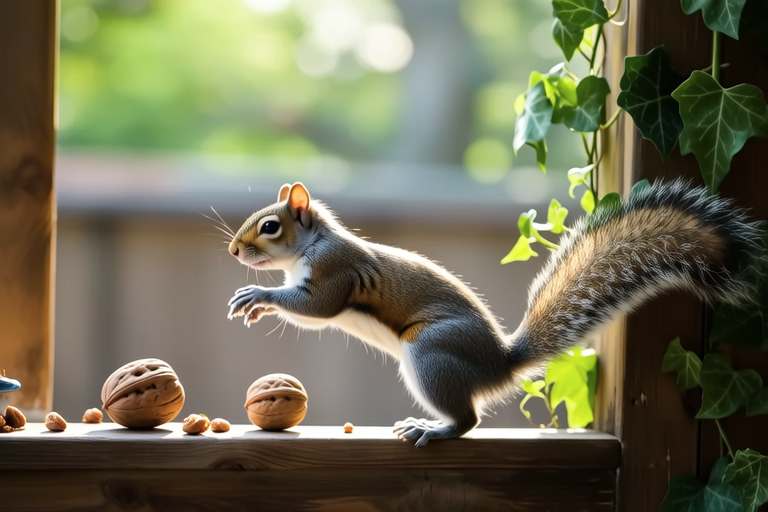
From Backyard to Balcony: How to Attract Squirrels to Your Space
Welcome to a delightful journey into the world of squirrels! Whether you have a spacious backyard or a cozy balcony, attracting these lively creatures can add a touch of nature’s charm to your living space. This guide will walk you through understanding squirrel behavior, offering suitable food options, creating safe and inviting habitats, and providing tips for those with limited space. Let’s dive in and explore how you can welcome squirrels into your home environment naturally and sustainably.
Understanding Squirrel Behavior
Squirrels are fascinating creatures with unique behaviors that make them a joy to observe. They are primarily active during the day, especially in the early morning and late afternoon. Understanding their daily routines and preferences can help you create an environment that appeals to them. Squirrels are highly territorial and prefer areas with plenty of trees, shrubs, and ground cover for shelter and protection. They also love to forage for food, which is why providing the right kind of sustenance is crucial.
One important aspect of squirrel behavior is their diet. Squirrels are omnivores, but they mostly eat nuts, seeds, fruits, and vegetables. They are known for burying excess food to save for later, a behavior called caching. By understanding this habit, you can place food sources in strategic locations to encourage more visits from these delightful animals.
Suitable Food Options to Attract Them
Providing the right type of food is key to attracting squirrels. While commercial squirrel feeders are available, focusing on natural and sustainable options is both better for the environment and more appealing to these wild creatures. Here are some food items that squirrels love:
- Nuts: Squirrels adore nuts like almonds, walnuts, pecans, and peanuts. Make sure to offer unsalted and unflavored varieties to keep their diet healthy.
- Seeds: Sunflower seeds, pumpkin seeds, and other small seeds are excellent choices. These can be scattered on the ground or placed in bird feeders designed for squirrels.
- Fruits and Vegetables: Apples, pears, carrots, and berries are all favorites. Cut these into small pieces to make it easier for squirrels to consume.
- Insects: Squirrels enjoy eating insects such as crickets and mealworms. You can purchase these at pet stores or look for them naturally in your garden.
When setting up feeding stations, ensure they are secure and squirrel-proof to prevent food waste and discourage pests. Placing food near trees or bushes where squirrels can easily access it will increase the chances of attracting them.
Creating Safe and Inviting Habitats
Creating a safe and inviting habitat for squirrels is essential for their well-being and comfort. Start by providing a variety of plants and trees that offer both food and shelter. Trees with branches and hollows provide perfect nesting spots, while shrubs and ground covers offer protection from predators. Consider planting native species that produce nuts, seeds, and fruits, as these are more beneficial for local wildlife.
Water is another critical element for any wildlife-friendly habitat. Installing a birdbath or shallow dish filled with fresh water can attract squirrels and other animals. Ensure the water source is stable and easy to access. Additionally, adding a few logs or rocks around the water source can provide perches for squirrels to drink comfortably.
It’s important to avoid using pesticides or chemicals in your garden, as these can harm squirrels and other wildlife. Opt for natural pest control methods such as companion planting and introducing beneficial insects. Creating a pesticide-free environment ensures that the squirrels can thrive without exposure to harmful substances.
Tips for Balcony Spaces with Limited Area
If you live in an apartment or have a small balcony, don’t worry! With a little creativity, you can still create a welcoming space for squirrels. Here are some tips for making the most out of limited space:
- Vertical Gardens: Utilize vertical space by installing shelves or hanging planters. Choose climbing vines and small fruit-bearing plants that can grow upwards, maximizing the available area.
- Portable Feeders: Invest in lightweight, portable squirrel feeders that can be moved around easily. This allows you to rotate feeding spots and keep the squirrels interested.
- Window Boxes: If you have windows, consider installing window boxes filled with flowers and plants that attract pollinators and provide nectar for squirrels.
- Small Water Features: Even a small fountain or birdbath can be a significant draw for squirrels. The sound of running water can attract them, and the water source provides much-needed hydration.
Remember, even a small space can become a haven for squirrels if you focus on quality over quantity. By providing the right mix of food, water, and shelter, you can create a welcoming environment that encourages frequent visits from these charming creatures.
Conclusion
Attracting squirrels to your backyard or balcony can be a rewarding experience that brings nature closer to your home. By understanding their behavior, providing suitable food options, and creating safe and inviting habitats, you can foster a thriving environment for these delightful creatures. Whether you have ample space or a tiny balcony, there are always ways to incorporate elements that appeal to squirrels. Embrace natural and sustainable methods, and enjoy the company of these playful visitors in your outdoor space.
