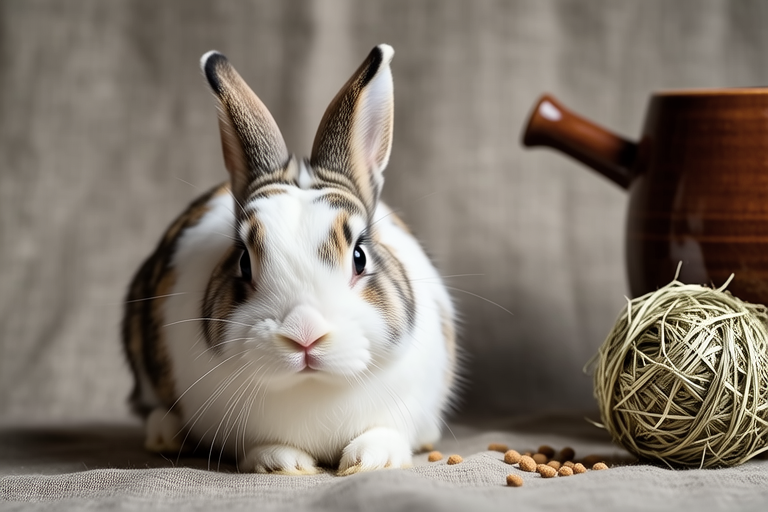
How to Care for Your Tiny Treasure: A Complete Guide to Dutch Dwarf Rabbits
Welcome to your ultimate guide on how to care for Dutch Dwarf rabbits. These charming creatures are small, friendly, and full of personality, making them ideal pets for families and individuals alike. Whether you’re a first-time owner or looking to deepen your knowledge, this guide will provide you with all the information you need to ensure your Dutch Dwarf rabbit thrives.
Unique Characteristics of Dutch Dwarf Rabbits
Dutch Dwarfs are known for their compact size and distinctive coloring. They typically weigh between 1.8 to 2.3 kg (4 to 5 lbs) and reach maturity at around six months. Their coat comes in a variety of colors, including black, blue, chocolate, and white, often with a contrasting color on their face, neck, and feet, creating a striking appearance.
One of the most endearing traits of Dutch Dwarfs is their playful nature. They are curious and enjoy exploring their surroundings. However, they can also be somewhat stubborn, so patience is key when training or handling them. Dutch Dwarfs are generally docile and gentle, making them excellent companions for children and other pets.
Dietary Needs
A balanced diet is crucial for the health and longevity of your Dutch Dwarf rabbit. The foundation of their diet should be high-quality hay, which aids digestion and keeps teeth healthy. Fresh vegetables and a limited amount of pellets should round out their meals. Avoid feeding them excessive amounts of fruit due to its sugar content.
Water is equally important. Always provide fresh, clean water daily, either in a sipper bottle or a heavy bowl that won’t tip over. Clean the water container regularly to prevent bacterial growth.
Housing Requirements
Dutch Dwarfs require a safe, comfortable living space. An indoor hutch is recommended, especially if you live in an area with extreme temperatures. The hutch should have enough room for your rabbit to stretch out fully and stand up on its hind legs without touching the top. It should also include a solid floor to prevent sore hocks, a soft bedding material like straw or shredded paper, and a cozy hideaway for privacy.
Ensure good ventilation and protection from drafts. Regular cleaning of the hutch is essential to maintain hygiene. Remove soiled bedding and disinfect the hutch at least once a week.
Grooming Tips
Grooming your Dutch Dwarf rabbit is an important part of keeping them healthy and happy. Brush their fur weekly to remove loose hair and prevent matting. This is particularly important during shedding seasons. Trim their nails every few weeks to prevent overgrowth, which can cause discomfort and hinder movement.
Regular brushing also helps distribute natural oils through the coat, maintaining its shine. If your rabbit has a tendency to groom themselves excessively, monitor for signs of hairballs, which can be harmful. In such cases, consult your veterinarian for advice.
Exercise Essentials
Dutch Dwarfs are active and require regular exercise to stay healthy. Allow them supervised playtime outside their hutch each day. A secure, rabbit-proofed area is ideal for this purpose. Provide toys and tunnels to stimulate their minds and bodies.
Exercise also promotes mental well-being. Rabbits are intelligent animals that benefit from environmental enrichment. Rotate toys to keep things interesting and engage their curiosity.
Health Concerns
Like any pet, Dutch Dwarfs can develop certain health issues. Common problems include dental disease, obesity, and respiratory infections. Regular check-ups with a veterinarian who specializes in exotic pets can help catch and treat these conditions early.
Signs of illness include lethargy, loss of appetite, changes in bathroom habits, or discharge from the nose or eyes. If you notice any of these symptoms, contact your vet immediately. Prevention is key, so maintain a clean environment, provide a nutritious diet, and schedule routine veterinary visits.
Socializing Your Dutch Dwarf Rabbit
Dutch Dwarfs are sociable animals that thrive on interaction. Spend time with your rabbit daily, offering gentle handling and positive reinforcement. Training can be a fun way to bond, teaching them simple commands or tricks.
If introducing your rabbit to other pets, do so gradually and under supervision. Ensure that all interactions are positive to avoid stress or aggression. Dutch Dwarfs can also be litter trained, which can make cohabitation with other pets easier.
Conclusion
Caring for a Dutch Dwarf rabbit is a rewarding experience filled with joy and companionship. By understanding their unique needs and providing proper care, you can ensure that your tiny treasure leads a happy, healthy life. Remember, each rabbit is an individual with its own personality and preferences, so adapt your care accordingly. With love, attention, and a bit of patience, you’ll form a strong bond with your Dutch Dwarf rabbit that will last a lifetime.
