Top Secrets to Keeping Your Rajah Cichlid Thriving in a Home Aquarium
Welcome to the fascinating world of Rajah cichlids! These vibrant and spirited fish are a favorite among aquarists for their striking appearance and engaging behavior. Whether you’re a novice or an experienced aquarium enthusiast, this guide will provide you with all the essential information to keep your Rajah cichlid thriving in your home aquarium.
Understanding the Rajah Cichlid
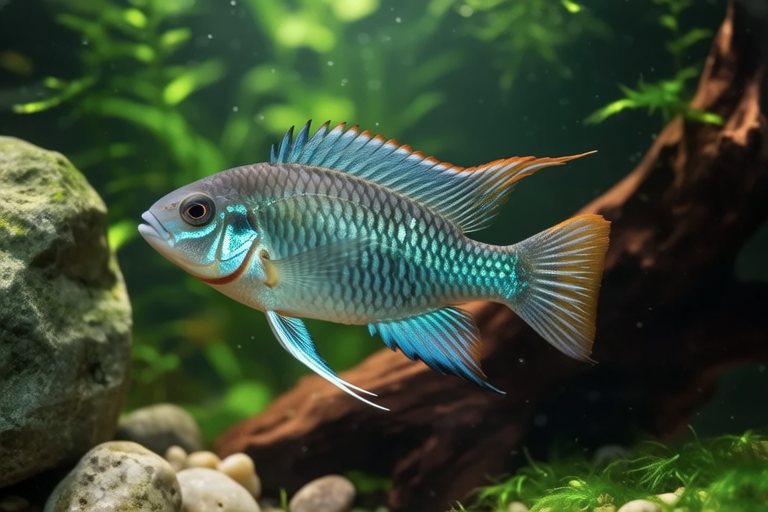
The Rajah cichlid, scientifically known as Aequidens rivulatus, hails from South America, particularly from the rivers of Guyana and Suriname. They are a robust species that can grow up to 6 inches in length, displaying a mesmerizing blend of colors including iridescent blues, greens, and yellows. Their unique temperament and striking appearance make them a captivating addition to any aquarium.
Optimal Water Conditions
Maintaining the right water conditions is crucial for the well-being of your Rajah cichlid. Here’s what you need to know:
- Water Temperature: Keep the temperature between 75°F and 82°F (24°C to 28°C).
- pH Level: Aim for a pH range of 6.0 to 7.5. A slightly acidic environment is ideal for these fish.
- Hardness: The hardness should be kept within 5 to 15 dGH.
- Ammonia and Nitrite Levels: Both should be zero. Regular testing is necessary to ensure these levels are maintained.
- Nitrate Levels: Maintain nitrate levels below 20 ppm.
To achieve these conditions, invest in a reliable heater, pH adjuster, and water testing kits. Regular water changes are also essential to maintain water quality.
Diet and Feeding
Rajah cichlids are omnivores, meaning they require a balanced diet consisting of both plant matter and protein. Here’s how to ensure your fish gets the nutrition it needs:
- Variety: Offer a mix of high-quality flake food, pellets, and live or frozen foods such as brine shrimp, bloodworms, and daphnia.
- Fresh Vegetables: Occasionally supplement their diet with blanched vegetables like spinach, zucchini, and peas.
- Frequency: Feed your Rajah cichlid two to three times daily, but only offer as much food as they can consume within five minutes to prevent overfeeding.
Tank Mates Compatibility
Choosing compatible tank mates is vital for the harmony of your aquarium. Rajah cichlids are generally peaceful but can become territorial during breeding. Here are some suitable companions:
- Other Cichlids: Consider other peaceful cichlids like Angelfish or Discus. However, avoid housing them with aggressive species.
- Characins: Fish like tetras and rasboras can coexist peacefully with Rajah cichlids.
- Avoid: Avoid keeping them with small, timid fish that might become prey.
It’s important to introduce new fish gradually and monitor their interactions closely to ensure compatibility.
Habitat Setup
Creating a suitable habitat is key to ensuring your Rajah cichlid feels at home. Here are some tips:
- Tank Size: A minimum tank size of 55 gallons is recommended to accommodate their swimming space and provide hiding spots.
- Substrate: Use fine sand or smooth gravel to mimic their natural riverbed habitat.
- Decorations: Incorporate rocks, driftwood, and plants to create hiding spots and territories. Java moss and Anubias are excellent plant choices.
- Lighting: Provide moderate lighting to simulate their natural environment.
- Filtration: Invest in a powerful filter to maintain water circulation and remove waste.
Maintaining Water Quality
Regular maintenance is crucial for the health of your Rajah cichlid. Here’s how to keep the water quality optimal:
- Weekly Water Changes: Perform partial water changes of 20% each week to remove accumulated toxins.
- Bi-weekly Cleaning: Clean the filter and decorations every two weeks to prevent the buildup of harmful substances.
- Monitor Parameters: Regularly check water parameters such as temperature, pH, and ammonia levels.
Common Health Issues
Like any pet, Rajah cichlids can fall ill. Here are some common health issues and how to address them:
- Ich: A parasitic infection causing white spots on the fish. Treat with medication and improve water quality.
- Bloat: Often caused by overfeeding. Reduce food intake and provide a varied diet.
- Fungal Infections: Can occur due to poor water quality. Use anti-fungal treatments and enhance filtration.
Behavioral Insights
Understanding the behavior of your Rajah cichlid can help you provide the best care possible:
- Aggression: Rajah cichlids can become territorial, especially during breeding. Provide ample hiding spots and monitor for signs of aggression.
- Breeding Behavior: During spawning, males may display vibrant colors and build nests. Females will lay eggs, which both parents guard fiercely.
- Activity Levels: Rajah cichlids are active swimmers and often display interesting behaviors like digging and rearranging substrate.
Conclusion
By following these guidelines, you can ensure your Rajah cichlid thrives in its new home. Remember, providing the right environment, diet, and care is key to their health and happiness. With proper attention, you’ll enjoy watching these beautiful fish grow and thrive in your aquarium.
