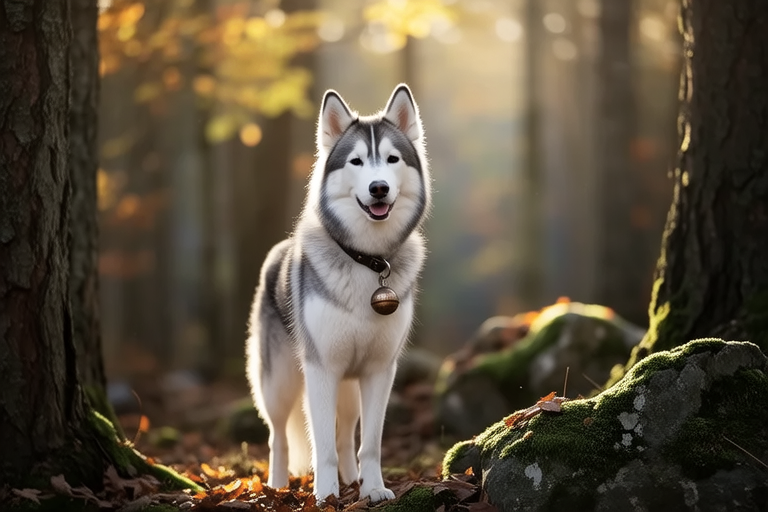
The Surprising Benefits of Adopting a Norwegian Dog Breed
When you think of Norway, you might imagine fjords, mountains, and a deep connection to nature. But did you know that this Scandinavian country also boasts some of the most fascinating and loyal dog breeds? The Norwegian Elkhound, Lundehund, and Buhund are just a few examples of dogs that have been bred for centuries to thrive in the harsh Norwegian climate. These breeds offer surprising benefits for modern pet owners, combining historical roles with contemporary companionship.
Unique Traits and Characteristics
Norwegian Elkhound
The Norwegian Elkhound is a spitz-type breed known for its resilience and loyalty. This medium-sized dog has a dense, grey coat that provides insulation against cold weather. Historically, the Norwegian Elkhound was used for hunting large game, including moose, and its sharp sense of smell and stamina made it an invaluable asset. Today, these dogs are known for their intelligence and ability to learn quickly. They are also very protective of their families, making them excellent guard dogs.
Lundehund
The Lundehund, or Puffin Dog, is one of the rarest and most unique dog breeds. It has six toes on each foot, a flexible shoulder joint that allows the front legs to turn sideways, and ears that can close tightly. These physical attributes were crucial for the Lundehund’s original role: retrieving puffins from their nests on steep cliffs. Despite their small size, these dogs are incredibly strong and agile. The Lundehund is also known for its gentle demeanor and affectionate nature, making it a wonderful family companion.
Buhund
The Buhund, particularly the Norwegian Buhund, is another spitz-type breed that has been around since the Viking era. Known for their herding abilities, these dogs are highly intelligent and trainable. Their double coats protect them from the elements, and they come in various colors, including cream, red, and wolf-sable. Buhunds are naturally curious and love to play, which makes them great for active households. They are also very adaptable and can live comfortably in both rural and urban environments.
Historical Roles and Modern Behavior
All three breeds have played significant roles in Norwegian history. The Norwegian Elkhound’s hunting prowess made it essential for survival in the wild, while the Lundehund’s agility helped sustain coastal communities through puffin hunting. The Buhund’s herding skills ensured that livestock was safe and well-tended. These historical roles have shaped the behaviors of these breeds today, making them loyal, hardworking, and adaptable.
For instance, the Norwegian Elkhound’s hunting instincts mean they enjoy regular exercise and mental stimulation. The Lundehund’s agility translates into a playful and energetic companion, always ready for a game or a challenge. The Buhund’s herding background means they are natural leaders and excel in activities that require focus and coordination.
Benefits of Ownership
Adaptability
One of the most significant benefits of owning a Norwegian dog breed is their adaptability. Whether you live in a bustling city apartment or a quiet countryside home, these dogs can adjust to different environments. Their thick coats provide protection against cold weather, but they also fare well in warmer climates with proper care.
Loyalty
These breeds are known for their unwavering loyalty. They form strong bonds with their families and are protective of their homes. This makes them excellent companions and reliable guardians. Their loyalty also extends to their willingness to please, which can make training easier and more enjoyable.
Health Advantages
While all dog breeds come with potential health issues, Norwegian breeds generally have robust constitutions due to their historical roles requiring strength and endurance. Regular vet check-ups and a balanced diet will help ensure your dog remains healthy throughout its life.
Tips for Potential Owners
Training
Training a Norwegian dog breed requires patience and consistency. Positive reinforcement methods work best, as these dogs respond well to praise and rewards. Early socialization is also important to ensure your dog grows up to be confident and well-mannered. Engaging in activities that mimic their historical roles, such as obedience trials or agility courses, can provide mental and physical stimulation while reinforcing good behavior.
Care
Caring for a Norwegian dog breed involves more than just feeding and walking your pet. Regular grooming is necessary to maintain their coats, especially during shedding seasons. Exercise is crucial, as these dogs need plenty of opportunities to burn off energy. Providing a stimulating environment with toys and puzzles can help keep them mentally engaged.
Encouraging Adoption
If you’re considering adopting a Norwegian dog breed, remember that there are many wonderful dogs waiting for loving homes at shelters and rescue organizations. These animals often come with their own unique stories and personalities, and adopting them can provide immense joy and companionship. By choosing to adopt, you’re not only giving a dog a second chance at happiness but also helping to reduce the number of animals in shelters.
Whether you’re drawn to the resilience of the Norwegian Elkhound, the uniqueness of the Lundehund, or the intelligence of the Buhund, there’s no doubt that any of these breeds would make an excellent addition to your family. With their rich history, loyal nature, and adaptability, Norwegian dog breeds offer a rewarding and enriching experience for any pet owner.
So why not consider welcoming a Norwegian dog into your home? You’ll be amazed by the companionship and love they bring, as well as the opportunity to connect with a piece of Norwegian heritage.
