From Fluff Ball to Furry Friend: Everything You Need to Know About Pomeranians
Welcome to the world of Pomeranians, one of the most charming and beloved dog breeds. This article will guide you through everything you need to know about these delightful creatures, from their fascinating history to practical tips for responsible ownership.
The Origins and History of Pomeranians
Pomeranians have a rich history that spans centuries. Originally, they were much larger dogs, known as Wolfspitz, used by the Samoyed people in Siberia for pulling sleds. Over time, these robust sled-pullers were selectively bred down to their current size, becoming the perfect lapdog. The breed’s name comes from the region of Pomerania, where they were further refined. Queen Victoria played a pivotal role in popularizing the breed during her reign, favoring smaller Pomeranians. Today, Pomeranians are cherished companions, known for their loyalty and affection.
Physical Characteristics
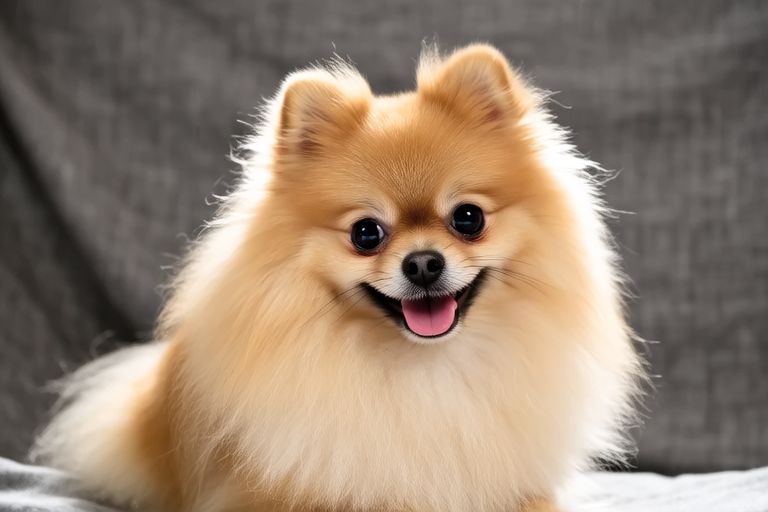
Pomeranians are small dogs, typically weighing between 3 and 7 pounds and standing at 6 to 7 inches tall. Their most striking feature is their thick, fluffy coat, which can come in various colors, including orange, cream, black, and sable. Their double coat consists of a soft undercoat and a longer, straight outer coat. This coat requires regular grooming to prevent matting and keep it in top condition. Pomeranians have expressive faces, with alert, triangular ears and dark, almond-shaped eyes that give them an endearing appearance.
Temperament
Pomeranians are known for their lively and affectionate personalities. They are fiercely loyal to their families and love to be the center of attention. Their playful nature makes them great companions for children, though they may need gentle handling due to their small size. Despite their small stature, Pomeranians are often quite independent and can exhibit a stubborn streak when it comes to training. Early socialization and consistent, positive reinforcement training methods are essential for helping them overcome this trait.
Grooming Needs
Grooming a Pomeranian is a significant part of owning one. Their luxurious coat demands regular brushing to maintain its luster and prevent tangles. Aim to brush your Pomeranian at least three times a week, more frequently if they have been outside or if they have a thicker coat. Bathing should be done every four to six weeks, depending on how dirty they get. It’s important to use a mild shampoo formulated for dogs to avoid stripping their natural oils. Regular nail trimming, ear cleaning, and dental care are also necessary to ensure your Pomeranian remains healthy and comfortable.
Dietary Requirements
Feeding a Pomeranian a balanced diet is crucial for their overall health. High-quality dog food specifically designed for small breeds is ideal. These foods are tailored to meet the nutritional needs of smaller dogs, providing the right balance of proteins, fats, carbohydrates, vitamins, and minerals. Avoid overfeeding, as Pomeranians are prone to obesity, which can lead to serious health problems. Consult with your veterinarian to determine the appropriate portion sizes based on your dog’s age, weight, and activity level.
Common Health Issues
Like all dog breeds, Pomeranians are susceptible to certain health issues. Some common conditions include luxating patella (dislocation of the kneecap), tracheal collapse, and dental disease. Regular veterinary check-ups can help catch these issues early, making treatment more effective. Additionally, their small size makes them more prone to hypoglycemia, especially in puppies. Keeping an eye on your Pomeranian’s energy levels and appetite can help you recognize signs of this condition.
Tips for New Owners
Training
Training a Pomeranian can be challenging due to their independent nature, but it’s essential for establishing good behavior. Start training early and use positive reinforcement techniques, such as treats and praise, to encourage desired behaviors. Consistency is key, so make sure all family members follow the same rules and commands. Crate training can be particularly useful for housebreaking and providing a safe space for your Pomeranian.
Socializing
Socializing your Pomeranian is vital to ensure they grow up to be well-adjusted and friendly. Expose them to different people, animals, and environments from an early age. Puppy classes are a great way to introduce your Pomeranian to other dogs and learn basic obedience skills. Socialization helps reduce fearfulness and aggression, making your Pomeranian a more enjoyable companion.
Exercising
Despite their small size, Pomeranians require regular exercise to stay healthy and happy. Daily walks and playtime are recommended, but be mindful of their energy levels and avoid overexertion, especially in hot weather. Mental stimulation is just as important as physical exercise, so engage your Pomeranian with interactive toys and puzzles to keep their mind sharp.
Choosing a Reputable Breeder or Adopting from a Shelter
When considering bringing a Pomeranian into your home, it’s important to choose a reputable breeder or adopt from a shelter. A responsible breeder will provide health clearances for their dogs and prioritize the well-being of the puppies. They will also be knowledgeable about the breed and willing to answer any questions you may have. If you’re interested in adoption, shelters and rescue organizations offer wonderful opportunities to give a loving home to a Pomeranian in need. Regardless of whether you choose to buy or adopt, always prioritize the welfare of the dog and ensure they are treated with kindness and respect.
In conclusion, Pomeranians are delightful, loyal companions that bring joy and warmth to many households. By understanding their history, physical traits, and unique needs, you can provide the best possible care for your furry friend. Remember to approach pet ownership with responsibility, ensuring your Pomeranian lives a long, healthy, and happy life. With proper care and attention, you’ll find that your Pomeranian becomes an integral part of your family, offering endless love and companionship.
