Unraveling the Mystique: Life with a Ragdoll Cat
The world of feline companionship offers a plethora of breeds, each with its own unique charm and personality. Among these, the Ragdoll cat stands out as a breed that has captured the hearts of many pet lovers with its gentle nature and affectionate demeanor. In this article, we will delve into the mystique of the Ragdoll, exploring its history, care requirements, and the joys and challenges of living with one.
A Gentle Giant: The Unique Characteristics of Ragdoll Cats
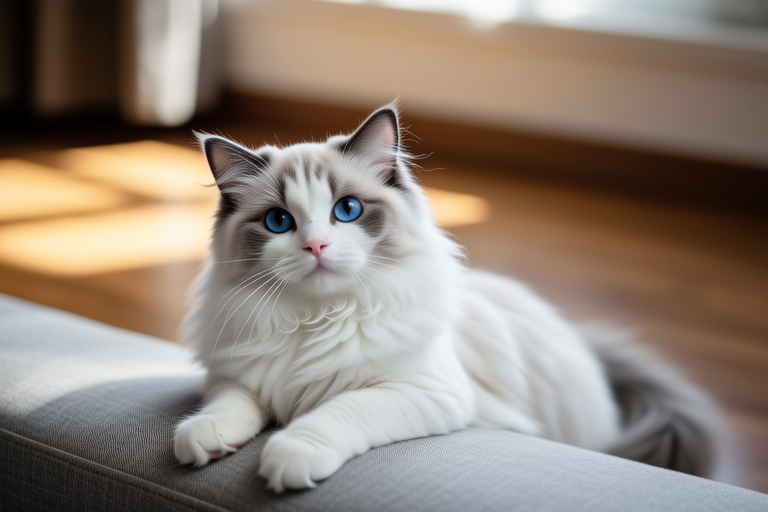
Ragdolls are known for their striking blue eyes and luxurious semi-longhair coats. However, it’s their temperament that truly sets them apart. These cats are often described as “dog-like” due to their tendency to follow their owners around, enjoy being carried, and even participate in family activities. Their name originates from their tendency to go limp when picked up, much like a ragdoll, which is a trait that adds to their endearing charm.
One of the most remarkable features of Ragdolls is their calm and gentle disposition. They are typically very patient and tolerant, making them excellent companions for families with young children or other pets. Their laid-back attitude means they can easily adapt to various situations, whether it’s a bustling household or a serene apartment setting.
The History of the Ragdoll Breed
The story of the Ragdoll begins in the 1960s when Ann Baker, a breeder in Riverside, California, developed the breed. Ann’s efforts were inspired by her beloved female cat Josephine, who was known for her docile and affectionate nature. Josephine was involved in a car accident, and after recovery, she began producing kittens with the distinctive traits that would later define the Ragdoll breed.
The breed gained popularity in the 1970s, and by the 1980s, Ragdolls were recognized by major cat registries. Today, they are cherished by cat enthusiasts worldwide for their unique combination of beauty and temperament.
Care Requirements: Ensuring a Healthy and Happy Ragdoll
Dietary Needs
Proper nutrition is crucial for maintaining the health and vitality of a Ragdoll. A balanced diet rich in proteins and essential nutrients is recommended. High-quality commercial cat foods designed for indoor cats or senior cats are usually sufficient. It’s important to consult with a veterinarian to determine the best dietary plan based on your cat’s age, weight, and activity level.
Grooming Tips
Ragdolls have semi-longhair coats that require regular grooming to keep them looking their best and to prevent matting. Weekly brushing sessions are recommended to remove loose hair and distribute natural oils throughout the coat. During shedding seasons, more frequent grooming may be necessary. Bathing should be done as needed, but excessive bathing can strip the coat of its natural oils.
Health Considerations
Like all breeds, Ragdolls are prone to certain health issues. Regular veterinary check-ups are essential to catch any potential problems early. Some common health concerns include Hypertrophic Cardiomyopathy (HCM), Polycystic Kidney Disease (PKD), and Feline Lower Urinary Tract Disease (FLUTD). Genetic testing can help identify carriers of PKD, allowing responsible breeding practices.
Living with a Ragdoll: Insights and Personal Experiences
Interaction with Children and Other Pets
Ragdolls are generally very good with children and other pets, provided they are introduced gradually and in a controlled environment. Their gentle nature makes them ideal companions for households with young children, who can learn responsibility and empathy through caring for a pet. They also tend to get along well with other animals, especially if they are socialized from a young age.
Adaptability to Different Living Environments
Ragdolls are highly adaptable and can thrive in various living conditions. Whether you live in a spacious home or a small apartment, a Ragdoll can adjust to its surroundings as long as it receives adequate attention and stimulation. Providing toys, scratching posts, and interactive playtime can help ensure your Ragdoll remains happy and engaged.
Common Behavioral Traits
One of the most endearing traits of Ragdolls is their love for human interaction. They are often found curled up beside their owners, offering comfort and companionship. However, they are not overly demanding and respect quiet time. They are curious and playful, especially during their younger years, and enjoy exploring their surroundings.
Personal Anecdotes from Ragdoll Owners
Meet Sarah, a proud owner of two Ragdolls named Luna and Sol. “From the moment I brought Luna home, I knew she was special,” Sarah shares. “She followed me everywhere, and her gentle purring filled our house with warmth. Sol, on the other hand, is more independent but equally loving. Both cats have brought so much joy to our family.”
Another owner, Mike, recounts a memorable experience with his Ragdoll, Milo. “Milo has a unique way of comforting me when I’m feeling down. He’ll curl up next to me and just stay there, offering silent support. It’s moments like these that remind me how truly special Ragdolls are.”
These stories highlight the profound impact that Ragdolls can have on their owners’ lives. While they come with their own set of challenges, the rewards far outweigh the effort required to care for them.
Conclusion
The Ragdoll cat is a breed that combines stunning appearance with an irresistible personality. From their gentle nature to their adaptability, Ragdolls offer a unique and enriching companionship experience. By understanding their specific care needs and embracing their quirks, you can ensure a lifetime of happiness with your Ragdoll companion. Whether you’re a seasoned cat owner or considering welcoming a Ragdoll into your home for the first time, these beautiful creatures are sure to bring endless joy and companionship.
