The Mysterious Eyes and Coolest Traits of Siberian Huskies Explained
Siberian Huskies have captured the hearts of many with their striking and mysterious eyes, unique colors, and intriguing legends. These dogs have been admired for centuries, not only for their beauty but also for their remarkable abilities and traits. In this article, we will delve into the fascinating world of Siberian Huskies, exploring their physical attributes, temperament, history, and the essential care they require.
The Mysterious Eyes of Siberian Huskies
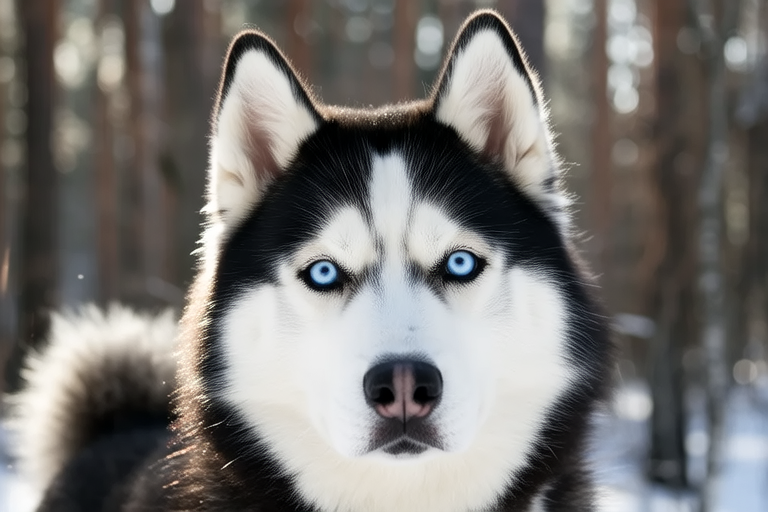
One of the most striking features of Siberian Huskies is their eyes. Known for their captivating and sometimes eerie gaze, these dogs come in a variety of eye colors, including blue, brown, amber, and even heterochromia (two different colored eyes). The striking blue eyes are particularly mesmerizing, often leading to myths and legends. In some cultures, it is believed that these dogs possess supernatural powers due to their unique eye color. However, the truth behind their eye color lies in genetics. The blue eyes are caused by a lack of pigmentation in the iris, while other colors result from varying degrees of melanin.
Physical Traits of Siberian Huskies
Siberian Huskies are known for their thick double coats, which provide insulation against harsh weather conditions. Their robust build and strong legs enable them to pull heavy loads over long distances. With a wolf-like appearance, these dogs have triangular-shaped heads, erect ears, and a plumed tail. Their coat can be of various colors, including black and white, gray and white, copper-red, and pure white. Despite their wolf-like appearance, Siberian Huskies are not wolves; they are a distinct breed developed for sled pulling in Siberia.
Temperament, Intelligence, and Energy Levels
Siberian Huskies are known for their friendly and outgoing personalities. They are social animals that thrive on human interaction and enjoy being part of a pack. Their intelligence makes them quick learners, but this also means they can be challenging to train. Due to their high energy levels, Siberian Huskies require plenty of exercise and mental stimulation to stay happy and healthy. Their playful nature and loyalty make them excellent companions for active individuals or families. However, their independent streak can sometimes lead to behavioral issues if not properly trained and exercised.
History as Working Dogs in Siberia
The history of Siberian Huskies dates back to Siberia, where they were bred by the Chukchi people. These dogs were used as sled dogs and hunting partners, pulling sleds laden with supplies across vast snowy landscapes. Their endurance and loyalty made them invaluable to the Chukchi people, who relied on them for survival. In the early 20th century, Siberian Huskies were brought to Alaska to participate in sled dog races. They quickly gained popularity and became known for their exceptional endurance and speed. Today, Siberian Huskies are still used as working dogs in some parts of the world, but they are also cherished as family pets.
Endurance and Loyalty
Siberian Huskies are renowned for their incredible endurance. They can travel long distances without tiring, making them ideal for sled racing and other physically demanding activities. Their loyalty to their owners is unwavering, and they will go to great lengths to protect and serve their human family. This trait has been passed down through generations of working dogs, and it remains one of the most endearing qualities of the Siberian Husky.
Caring for a Siberian Husky
When considering adopting a Siberian Husky, it’s important to understand their specific care needs. These dogs require plenty of exercise to burn off excess energy and prevent behavioral issues. Daily walks, runs, or play sessions in a secure area are recommended. Mental stimulation is also crucial, so consider incorporating puzzle toys or training sessions into their routine.
Dietary requirements for Siberian Huskies should include high-quality protein sources such as chicken, fish, and beef. Carbohydrates like sweet potatoes and brown rice provide necessary energy, while fats from fish oil and flaxseed offer essential fatty acids. It’s important to consult with a veterinarian to determine the appropriate amount of food based on your dog’s age, weight, and activity level.
Grooming a Siberian Husky requires regular brushing to remove loose hair and prevent matting. Their thick double coat sheds heavily twice a year, so expect increased shedding during these periods. Bathing should be done as needed, typically every few months, to avoid stripping natural oils from the skin. Additionally, check and clean their ears regularly to prevent infections, and trim their nails when necessary.
In conclusion, Siberian Huskies are fascinating dogs with a rich history and many admirable traits. Their striking eyes, robust build, and loyal nature make them unique and captivating companions. By understanding their specific care needs, you can ensure that your Siberian Husky lives a long, healthy, and happy life. Whether you’re a seasoned dog owner or considering adding a Siberian Husky to your family, this breed offers endless joy and companionship.
