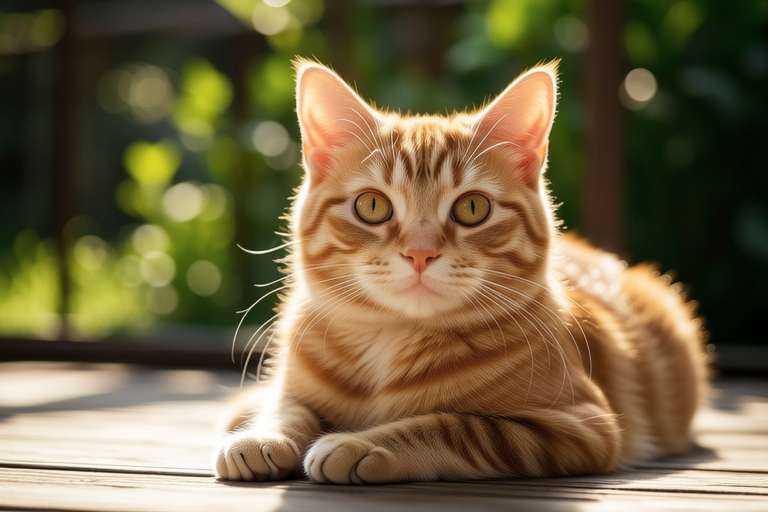
Orange Cats: Nature’s Perfect Blend of Grace and Charm
Orange cats have long captivated the hearts of cat enthusiasts with their striking appearance and friendly demeanor. These feline beauties are not just visually appealing; they are also renowned for their charming personalities that make them delightful companions. The unique genetic makeup of orange cats contributes to their diverse color patterns, which range from deep oranges to lighter creams. This genetic variance not only adds to their visual allure but also plays a significant role in shaping their behavior and character.
The Genetic Magic Behind Orange Coats
The distinctive orange coat of these cats is primarily due to a genetic mutation affecting the production of melanin, the pigment responsible for skin and hair color. This mutation leads to the expression of red or orange fur, resulting in the vibrant coloration seen in orange cats. The gene responsible for this mutation is sex-linked, meaning it is more commonly expressed in male cats. Consequently, approximately 80% of orange cats are males, while only about 20% are females. This genetic quirk not only explains the prevalence of orange males but also the rarity of orange female cats.
Interestingly, the same genetic mutation can result in various shades of orange, ranging from a deep, fiery red to a soft, apricot hue. This diversity in coloration makes each orange cat unique, contributing to their individual charm. The gene also influences the distribution of color on the cat’s body, leading to patterns such as mackerel tabby stripes, classic tabby swirls, and solid coats. These patterns add to the visual appeal of orange cats, making them stand out among other feline breeds.
Personality Traits of Orange Cats
Orange cats are often characterized by their sociable and playful natures, traits that endear them to both seasoned cat owners and newcomers alike. Their friendly disposition makes them excellent companions for families and individuals seeking a loving pet. Studies have shown that orange cats tend to be more outgoing and interactive with their human companions compared to other cat breeds. They are known for their ability to form strong bonds with their owners, often seeking out attention and affection.
One notable anecdote involves an orange cat named Whiskers who was adopted from a local shelter. Whiskers quickly became the center of attention in his new home, delighting his family with his playful antics and affectionate behavior. His sociable nature made him a favorite among visitors, and he often greeted guests at the door, purring contentedly as they entered. Whiskers’ adaptability and charm made him an ideal companion, blending seamlessly into the family dynamic.
In addition to their sociability, orange cats are known for their playful tendencies. Many owners report that their orange cats exhibit a high level of energy and curiosity, often engaging in games and activities that keep them entertained. This playful nature can be seen in their interactions with toys, chasing after laser pointers, or batting at feathers attached to strings. Their playful demeanor not only keeps them active but also strengthens the bond between the cat and its owner.
Adaptability and Interaction with Other Pets
Orange cats are highly adaptable and often thrive in environments where they interact with other animals. Many studies have shown that orange cats are generally good-natured and can coexist harmoniously with other pets, including dogs and other cats. Their friendly disposition allows them to integrate smoothly into multi-pet households, making them a popular choice for families with existing pets.
For instance, a family in suburban America adopted an orange kitten named Tiger, who quickly became friends with their golden retriever, Max. Despite their size difference, Tiger and Max developed a close bond, often playing together in the backyard. Tiger’s adaptability allowed him to adjust to the presence of a larger animal, and he soon became inseparable from Max. This anecdote highlights the adaptability of orange cats and their ability to form strong bonds with other animals.
Moreover, orange cats are known for their ability to get along well with children. Their playful and affectionate nature makes them ideal companions for young families. They are often patient with children, tolerating roughhousing and providing comfort when needed. This compatibility with children further underscores the versatility of orange cats as household pets.
The Ideal Companion
In conclusion, orange cats stand out as ideal companions, blending grace and charm seamlessly into everyday life. Their striking appearance, friendly demeanor, and playful nature make them a joy to be around. Whether they are curling up for a nap or engaging in playful games, orange cats bring warmth and happiness to their owners. Their adaptability and charm allow them to fit effortlessly into various living situations, whether in a bustling household or a quiet apartment.
For those considering adopting a cat, orange cats offer a perfect blend of beauty and personality. Their unique genetic traits contribute to their diverse color patterns, while their sociable and playful nature ensures endless entertainment and companionship. As we have seen through various anecdotes and studies, orange cats are not only visually captivating but also emotionally rewarding. They have the remarkable ability to bring joy and comfort to their owners, making them truly special members of the family.
