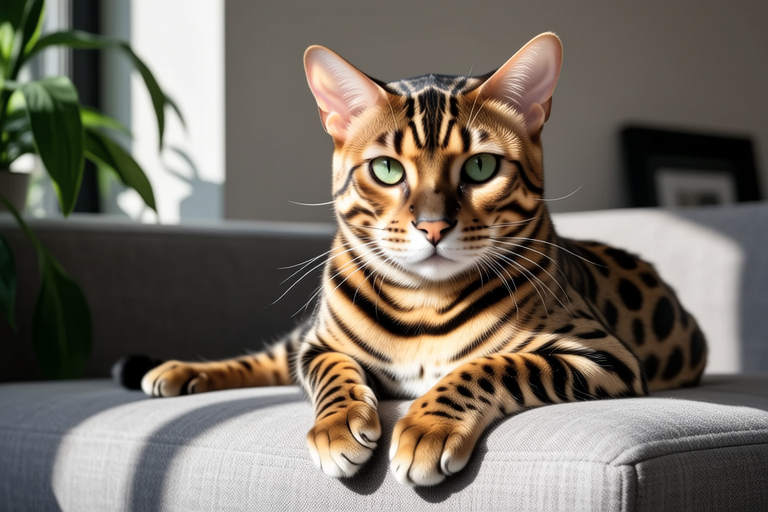
From Jungle to Couch: The Ultimate Guide to Bengal Cats
The Bengal cat is a unique blend of wild beauty and domestic charm, captivating hearts with its striking appearance and playful nature. This guide will take you through the fascinating journey from the jungle to your couch, exploring the origins, characteristics, care, and misconceptions surrounding this remarkable breed.
Origins and Domestication
The Bengal cat traces its roots back to the Asian leopard cat, a small wild feline native to Southeast Asia. In the 1960s, breeders began crossing these wild cats with domesticated breeds to create a new line that retained the exotic looks of their ancestors while possessing the friendly temperament of house cats. Through careful breeding programs, the Bengal cat was officially recognized by major cat registries in the late 20th century.
Domestication of Bengal cats has been a delicate process, ensuring they maintain their wild ancestry’s allure without compromising on safety or compatibility with human families. Today, Bengal cats are fully domesticated and are cherished pets in many households worldwide.
Unique Appearance
Bengal cats are renowned for their striking coat patterns and vibrant colors. Their fur mimics the spotted or marbled coats of their wild relatives, offering a mesmerizing array of patterns. Common coat patterns include rosettes, which resemble the spots on a jaguar, and marbling, which creates a mottled effect similar to a clouded leopard. These patterns are set against a variety of backgrounds, ranging from golden to silver, making each Bengal cat a unique piece of art.
In addition to their distinctive markings, Bengal cats have large, expressive eyes that add to their wild charm. Their muscular bodies and sleek, glossy coats make them stand out among other domestic cat breeds.
Temperament and Personality
Bengal cats are often described as active and social, traits inherited from their wild heritage. They are curious and energetic, always ready to explore their surroundings. Unlike some more aloof cat breeds, Bengal cats enjoy interacting with their owners and other pets. They are known to play fetch, climb, and engage in various activities that keep them mentally and physically stimulated.
This high level of activity means Bengal cats require plenty of attention and mental stimulation. Owners who provide interactive toys and climbing structures can foster a strong bond with their Bengal cats, ensuring they remain happy and well-adjusted pets.
Care and Maintenance
Dietary Needs
Bengal cats thrive on a balanced diet rich in proteins and fats. High-quality commercial cat foods designed for active breeds are generally sufficient, but it’s essential to consult with a veterinarian to determine the best diet based on your cat’s age, weight, and overall health. Some Bengal cats may benefit from raw food diets, but this requires careful planning and preparation to ensure all necessary nutrients are provided.
Exercise Requirements
Given their high energy levels, Bengal cats need ample opportunities for physical activity. Providing climbing trees, interactive toys, and puzzle feeders can help satisfy their need for exploration and play. Daily play sessions with owners are also beneficial for bonding and keeping Bengals entertained.
Grooming Tips
Bengal cats have short, dense coats that require minimal grooming. Regular brushing helps remove loose hair and keeps their coat shiny. Bathing is usually unnecessary unless the cat gets particularly dirty. As with any grooming routine, consistency is key to maintaining your Bengal cat’s health and appearance.
Health Considerations
While generally healthy, Bengal cats are prone to certain genetic conditions, such as hypertrophic cardiomyopathy (HCM) and progressive retinal atrophy (PRA). Regular veterinary check-ups, including genetic testing if available, can help identify and manage these issues early. Maintaining a healthy diet and providing appropriate exercise can further support your Bengal cat’s overall well-being.
Creating an Enriching Environment
To ensure your Bengal cat thrives, it’s crucial to create an enriching environment that caters to their natural instincts. Provide vertical spaces like tall cat trees and window perches where they can observe their surroundings. Interactive toys that mimic prey, such as feather wands or laser pointers, can stimulate their hunting instincts. Puzzle feeders that challenge them to work for their food can also enhance their cognitive engagement.
Creating safe outdoor spaces, such as enclosed patios or catio areas, allows Bengal cats to experience the outdoors safely. However, always supervise them when outside to prevent accidents or escapes.
Common Misconceptions
One common misconception about Bengal cats is that they are aggressive due to their wild ancestry. While they can be assertive and vocal, proper socialization and training can help them develop gentle and affectionate personalities. Another myth is that they require extensive care and maintenance. With regular grooming and a balanced diet, Bengal cats can be relatively low-maintenance pets.
Some people believe that Bengal cats are not suitable for families with children or other pets. However, with proper introduction and supervision, Bengal cats can coexist harmoniously with both humans and animals. Early socialization is key to fostering positive interactions.
Recommendations for Potential Owners
If you’re considering adding a Bengal cat to your family, here are some recommendations:
- Research Breeding Lines: Choose reputable breeders who prioritize health and temperament in their breeding programs. Ask about genetic testing and health screenings performed on parent cats.
- Prepare Your Home: Ensure your living space is safe and stimulating for a Bengal cat. Remove any toxic plants or substances and secure areas that could pose risks.
- Invest in Toys: Purchase a variety of toys that cater to their active nature. Rotate toys regularly to keep them engaged and prevent boredom.
- Consider Professional Training: If you encounter behavioral challenges, consider consulting with a professional cat trainer or behaviorist. Early intervention can address issues before they become ingrained.
By understanding the unique needs and characteristics of Bengal cats, you can provide them with a loving and enriching environment that allows them to thrive. Whether you’re a seasoned cat owner or a first-time pet parent, welcoming a Bengal cat into your home promises years of companionship and joy.
