Adopting a Turkish Angora: What Every Owner Should Know
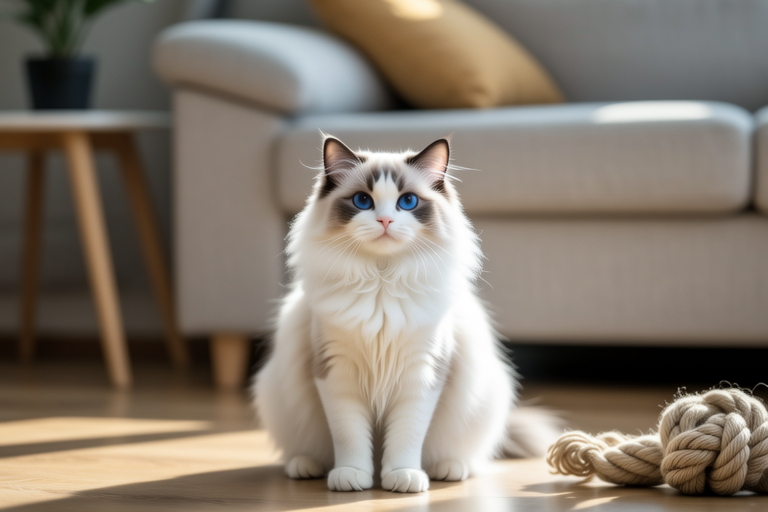
The Turkish Angora, a breed that has captivated cat enthusiasts for centuries, is known for its striking beauty and exceptional personality. This elegant feline, with its silky white coat and captivating blue eyes, is more than just a pretty face; it’s a companion with a rich history and unique traits that make it stand out among other breeds. Whether you’re considering adopting a Turkish Angora or already have one as your cherished pet, this guide will provide you with essential information to ensure both you and your furry friend enjoy a happy and healthy life together.
Origins and Appearance
The Turkish Angora hails from the Ankara region of central Turkey, where it has been living for thousands of years. Legend has it that these cats were descended from the sacred cats of ancient Egypt, and they have long been associated with royalty and nobility. The Turkish Angora is recognized for its graceful body structure, which is slender yet muscular, giving it a sleek and athletic appearance. Their most distinguishing feature is their long, flowing coat, which comes in various colors but is most commonly seen in pure white with blue eyes. This coat, while beautiful, requires regular grooming to maintain its luster and prevent matting.
Temperament
Turkish Angoras are known for their playful and affectionate nature. They are highly intelligent and can be quite vocal, often engaging in conversations with their owners through chirps and meows. These cats are also known for their agility and love of climbing, making them ideal companions for homes with plenty of vertical space like cat trees and shelves. Their curious and active demeanor means they thrive in environments that offer mental and physical stimulation. However, due to their strong bond with their owners, they can become stressed if left alone for extended periods, so it’s important to provide them with plenty of attention and interaction.
Care for the Coat
Maintaining the Turkish Angora’s luxurious coat is a crucial aspect of ownership. Regular brushing is necessary to remove loose hair and prevent tangles, especially during seasonal shedding. A soft-bristled brush or a slicker brush works well for this purpose. Bathing should be done sparingly, only when absolutely necessary, as over-bathing can strip the coat of its natural oils. Additionally, keeping their nails trimmed and their ears cleaned regularly helps to ensure their overall hygiene and comfort.
Dietary Needs
Providing a balanced diet is essential for the health and longevity of your Turkish Angora. High-quality cat food that meets the nutritional standards set by veterinary organizations is recommended. Look for foods that contain high levels of protein from sources such as chicken, fish, or turkey, as these are vital for maintaining muscle mass and overall vitality. It’s also important to ensure that your cat has access to fresh water at all times. Avoid feeding them human food, as many common ingredients can be harmful to cats.
Exercise Requirements
Turkish Angoras are naturally energetic and require ample opportunities for physical activity. Providing them with toys that encourage jumping, chasing, and pouncing can help meet their exercise needs. Interactive playtime with their owners is also beneficial, fostering a stronger bond between you and your cat. Consider setting up a variety of climbing structures and scratching posts to keep them engaged and entertained. Regular play sessions not only help maintain their physical fitness but also contribute to their emotional well-being.
Common Health Issues and Preventive Care
Like any breed, Turkish Angoras are prone to certain health issues. One of the most common concerns is hypertrophic cardiomyopathy (HCM), a heart condition that can lead to serious complications if left untreated. Regular visits to the veterinarian for check-ups, including heart screenings, are crucial for early detection and management of this condition. Other health issues include dental problems, obesity, and urinary tract infections. To prevent these issues, maintain a healthy diet, monitor weight, and ensure routine dental care. Vaccinations and parasite control are also important aspects of preventive care.
Socializing and Training
Socializing your Turkish Angora from a young age helps them develop into well-adjusted and confident adults. Expose them to various people, animals, and environments to build their trust and reduce anxiety. Positive reinforcement techniques work best for training these cats, rewarding good behavior with treats and praise. Consistency is key, so establish clear rules and boundaries early on. Training can also include teaching basic commands and tricks, which can be both fun and stimulating for your cat.
Adopting from Shelters or Rescue Organizations
Adopting a Turkish Angora from a shelter or rescue organization is not only a compassionate choice but also a way to give a deserving cat a second chance at a loving home. Many shelters have a wide variety of cats available, including Turkish Angoras, and the adoption process typically includes health checks, vaccinations, and sometimes even spaying or neutering. By choosing to adopt, you are helping to reduce the number of homeless animals and providing a loving environment for a cat in need.
In conclusion, adopting a Turkish Angora is a rewarding experience that brings joy and companionship to your life. Understanding their unique characteristics, providing proper care, and fostering a loving environment are key to ensuring a fulfilling relationship with your feline friend. With the right attention and care, your Turkish Angora will bring years of happiness and loyalty to your household. Remember, every cat deserves a loving home, and by adopting, you’re making a difference in the life of a wonderful animal.
