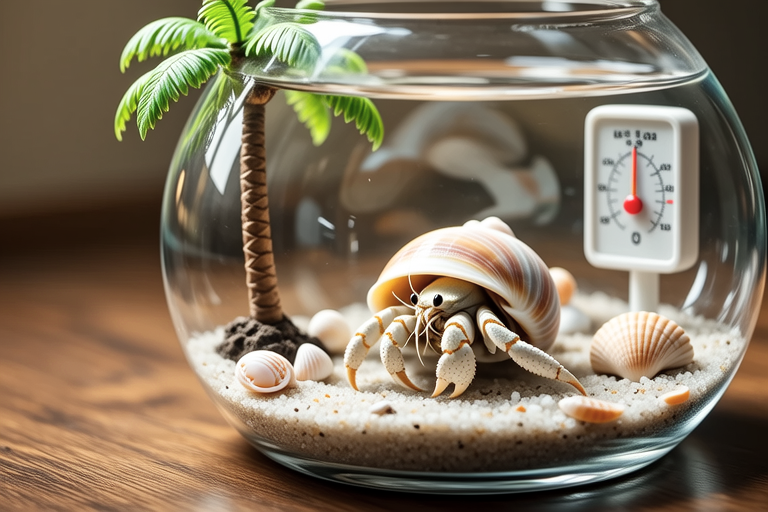
How to Create the Perfect Habitat for Your Hermit Crab Pet
Welcome to the fascinating world of hermit crabs! These charming creatures are increasingly popular as pets due to their unique behaviors and relatively low maintenance. However, to ensure your hermit crab thrives, it’s crucial to provide them with a suitable habitat that meets all their needs. This guide will walk you through the essentials of setting up the perfect home for your hermit crab, covering everything from substrate and hiding spots to temperature regulation and dietary considerations.
Choosing the Right Tank Size
The first step in creating a perfect habitat is selecting the right tank size. While hermit crabs are small, they are active and require ample space to move around comfortably. A general rule of thumb is to provide at least one gallon of tank space per hermit crab. For example, a 10-gallon tank can comfortably house up to ten hermit crabs, but this also depends on the species and size of your crabs. Larger tanks offer more room for exploration and interaction, which can help reduce stress and promote healthy behavior.
Essential Habitat Components
Appropriate Substrate
The substrate, or bedding material, plays a critical role in the health and comfort of your hermit crabs. It should be safe, non-toxic, and provide the necessary humidity levels. Coconut fiber substrate is highly recommended because it retains moisture well, mimicking the humid environment hermit crabs naturally inhabit. Avoid using sand or gravel, as these can be harmful if ingested. Additionally, coconut fiber substrate is easy to clean and helps maintain the ideal humidity level within the tank.
Hiding Spots
Hermit crabs are naturally shy and require hiding spots to feel secure. Incorporate various materials such as cork bark, driftwood, and commercially available caves or tunnels. These structures not only provide shelter but also serve as climbing surfaces, encouraging physical activity. Ensure that the hiding spots are stable and large enough for your crabs to fit comfortably inside. Multiple hiding spots are essential, especially in tanks housing multiple hermit crabs, to prevent overcrowding and territorial disputes.
Water Dishes
Hermit crabs need access to both fresh and saltwater to stay hydrated and maintain their shell health. Freshwater dishes should be shallow and regularly cleaned to prevent bacterial growth. Saltwater dishes, on the other hand, should contain a high-quality marine salt mix diluted with dechlorinated water. It’s important to note that tap water often contains chlorine and chloramines, which can be harmful to hermit crabs. Always use dechlorinated water by either letting it sit out overnight or using a dechlorinator product specifically designed for aquariums.
Temperature Regulation
Maintaining the correct temperature is vital for your hermit crab’s overall health. Hermit crabs thrive in temperatures ranging from 75°F to 85°F (24°C to 29°C). To achieve this, consider using under-tank heaters or heat lamps. Place a thermometer near the bottom of the tank to monitor the temperature accurately. Ensure that the heating source is positioned so that it doesn’t create hotspots, which could cause discomfort or injury. Regularly check the temperature to make sure it remains within the optimal range.
The Importance of Humidity
Humidity is another critical factor in hermit crab care. These creatures require a moist environment to breathe and molt successfully. The ideal humidity level for hermit crabs is between 70% and 80%. Achieving this can be done through regular misting, the use of a humidifier, or by incorporating a sponge or moss in the tank. Monitoring humidity levels with a hygrometer is advisable to ensure consistent conditions. High humidity also aids in preventing respiratory issues and promotes healthy shell development.
Dietary Requirements
Hermit crabs are omnivores and require a balanced diet to thrive. Their diet should consist of a variety of foods, including commercial hermit crab food, fruits, vegetables, and occasional protein sources like fish flakes or boiled shrimp. Providing a diverse diet ensures that your crabs receive all the nutrients they need. It’s important to avoid feeding them processed human foods, as these can be harmful. Additionally, ensure that any food offered is cut into small pieces to prevent choking. Proper nutrition supports overall health and contributes to the longevity of your pet.
Maintaining Cleanliness
A clean habitat is essential for the health and happiness of your hermit crabs. Regular cleaning prevents the buildup of bacteria and waste, which can lead to illness. Spot clean the tank daily by removing uneaten food and any visible waste. Perform a deep clean every few weeks, replacing the substrate and thoroughly washing the tank and accessories. Use a mild, pet-safe cleaner to disinfect the tank and rinse it thoroughly before returning your crabs to their home. Maintaining cleanliness not only keeps your crabs healthy but also prolongs the life of your tank’s components.
Safety from Common Hazards
Despite their hard shells, hermit crabs are vulnerable to certain environmental hazards. Sharp edges on decorations or tank accessories can cause injuries, so always inspect these items carefully. Ensure that any electrical cords are safely secured and out of reach to prevent accidents. Additionally, avoid placing the tank in direct sunlight, as excessive heat can be dangerous. Providing a stable environment free from hazards ensures that your hermit crabs can live happily and healthily.
Tips for New and Experienced Owners
No matter your experience level, there are several tips to keep in mind when caring for hermit crabs. For new owners, it’s essential to research thoroughly before bringing home your crabs. Understanding their specific needs and behaviors will help you provide the best possible care. Experienced owners should continue learning about advancements in hermit crab care and share knowledge with newcomers. Both groups benefit from participating in online forums and local hermit crab clubs, where advice and support are readily available.
Conclusion
Creating the perfect habitat for your hermit crab pet involves careful consideration of many factors, from tank size and substrate choice to temperature and humidity control. By providing a well-balanced environment that meets all their needs, you ensure that your hermit crabs can live long, happy lives. Remember that each crab is unique, and some may have specific preferences or requirements. Stay attentive to their behavior and adjust their environment accordingly. With the right care and attention, your hermit crabs will reward you with years of companionship and enjoyment.
