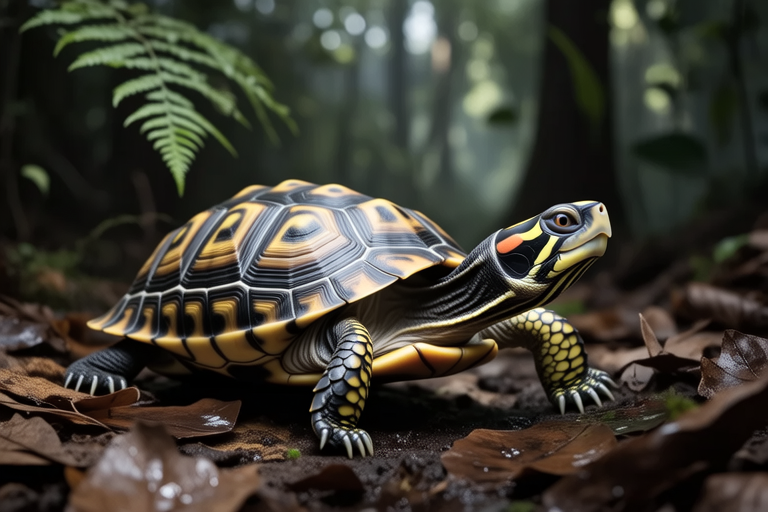
The Journey of a Rescuted Three-Striped Box Turtle Finds Its Forever Home
In the quiet town of Willowbrook, nestled among lush greenery and serene lakes, a small but significant rescue story unfolded. It began with a phone call to the Willowbrook Wildlife Center, a local animal rescue organization known for their dedication to wildlife conservation. The caller, a concerned citizen, reported finding a seemingly injured three-striped box turtle near a busy road. This was the start of a journey that would not only change the life of one small creature but also inspire many to appreciate the value of wildlife conservation.
The Rescue
Upon arrival at the scene, the rescue team found the turtle lying motionless on the roadside, its shell slightly cracked and its legs trembling. The turtle, later named Charlie by the rescuers, had been hit by a car and was in critical condition. Without hesitation, the team carefully placed Charlie into a carrier and rushed him back to the center. There, he received immediate medical attention, including X-rays to assess the extent of his injuries and antibiotics to prevent infection.
Initial Condition
Charlie’s initial condition was far from promising. His cracked shell posed a risk of infection, and his weak state suggested internal injuries. The staff at the Willowbrook Wildlife Center worked tirelessly to stabilize him. They provided round-the-clock care, ensuring he was comfortable and received proper nutrition. During this period, Charlie’s shell was cleaned regularly to prevent any infections, and his diet was carefully monitored to aid in his recovery.
Rehabilitation Process
The rehabilitation process for Charlie was long and challenging. Initially, he was kept in a quiet, controlled environment where he could rest and heal without disturbance. As his condition improved, the staff introduced him to more stimulating activities, such as swimming and exploring shallow water areas, which are crucial for his species’ health. These activities helped to strengthen his muscles and improve his mobility. Over time, Charlie showed remarkable progress, regaining his strength and becoming more active.
During his stay at the center, Charlie faced several setbacks. One of the most significant was a secondary infection that developed in his shell. This required additional treatments, including topical ointments and more frequent cleaning sessions. The dedicated staff and volunteers at the center worked closely with veterinarians to ensure that Charlie received the best possible care. Their commitment to his well-being was unwavering, even when the road to recovery seemed long.
Challenges Faced
The road to recovery was not without its challenges. Charlie’s initial condition was severe, and the risk of complications was high. The staff and volunteers at the center faced numerous obstacles, from managing infections to ensuring that Charlie’s diet met his specific nutritional needs. Additionally, there were financial constraints, as maintaining a facility and providing continuous care can be costly. Despite these challenges, the team remained optimistic and determined to give Charlie every chance to recover.
The community played a vital role in supporting Charlie’s rehabilitation. Donations poured in from individuals and local businesses, helping to cover the costs of medical treatments and supplies. Volunteers stepped up to assist with daily care, spending countless hours ensuring that Charlie was comfortable and receiving the attention he needed. Their collective effort underscored the importance of community involvement in wildlife conservation efforts.
New Home Environment
After months of intensive care and rehabilitation, Charlie was finally ready for a new home. The Willowbrook Wildlife Center launched a search for a suitable adoptive family, someone who could provide a safe and enriching environment for Charlie. After careful consideration, they found a perfect match in the Johnson family, a family living in a rural area with a large backyard filled with ponds and natural habitats. The Johnsons had always been animal lovers and were eager to provide Charlie with a loving home.
The Johnson family’s backyard is a haven for wildlife, complete with a variety of plants and trees that attract insects and other small creatures. This environment is ideal for Charlie, as it provides him with opportunities to explore and forage naturally. The family has created a designated area for Charlie, complete with a pond and hiding spots, allowing him to feel secure and comfortable. They have also installed a fence to keep him safe from predators and ensure he does not wander onto dangerous roads.
The Adoptive Family
The Johnson family’s decision to adopt Charlie was not just about providing a home; it was about making a commitment to wildlife conservation. They understand the importance of responsible pet ownership and are dedicated to ensuring Charlie’s well-being. The family has educated themselves about the specific needs of three-striped box turtles, learning how to provide a balanced diet and appropriate living conditions. They have also taken steps to minimize their impact on the local ecosystem, planting native species and reducing pesticide use to create a healthier habitat for all wildlife.
The adoption process was not without its challenges. The Johnsons had to undergo a thorough screening process to ensure they were prepared for the responsibility of caring for a rescued animal. This included attending informational sessions about turtle care and agreeing to regular check-ups with a veterinarian. However, the family was fully committed to providing Charlie with a loving and supportive home.
Educational Insights About Three-Striped Box Turtles
Three-striped box turtles are native to parts of North America and are known for their distinctive appearance. They get their name from the three yellow stripes on each side of their head, which make them easily recognizable. These turtles are omnivores, meaning they eat both plant matter and small animals like insects and worms. They play an important role in their ecosystem by controlling insect populations and contributing to soil health through their foraging activities.
One of the most interesting facts about three-striped box turtles is their ability to close their shells completely when threatened. This adaptation helps protect them from predators and harsh environmental conditions. Another fascinating aspect of their biology is their longevity; these turtles can live for over 30 years in the wild, making them a long-term commitment for any owner.
The Importance of Wildlife Conservation and Responsible Pet Ownership
The story of Charlie’s rescue and rehabilitation highlights the importance of wildlife conservation and responsible pet ownership. It underscores the need for communities to come together in support of local wildlife and the organizations that work tirelessly to protect them. By adopting rescued animals, families like the Johnsons not only provide a second chance for these creatures but also contribute to broader conservation efforts.
Responsible pet ownership involves more than just providing food and shelter; it requires a commitment to understanding the specific needs of the animal and ensuring that they are met. For turtle owners, this includes creating a habitat that mimics their natural environment, providing a varied diet, and monitoring their health regularly. It also means being mindful of the impact that pets can have on the environment and taking steps to minimize any negative effects.
Wildlife conservation is not just about protecting individual animals but also about preserving entire ecosystems. By supporting rescue organizations and adopting rescued animals, individuals can play a role in promoting biodiversity and ensuring the survival of species like the three-striped box turtle. Each adoption is a step towards a healthier planet, where humans and wildlife can coexist in harmony.
Charlie’s journey from a roadside rescue to a forever home is a testament to the power of compassion and community. It serves as a reminder that even the smallest actions can have a significant impact on the lives of animals and the world around us. Through education, awareness, and action, we can all contribute to the conservation of wildlife and the protection of our planet’s precious resources.
