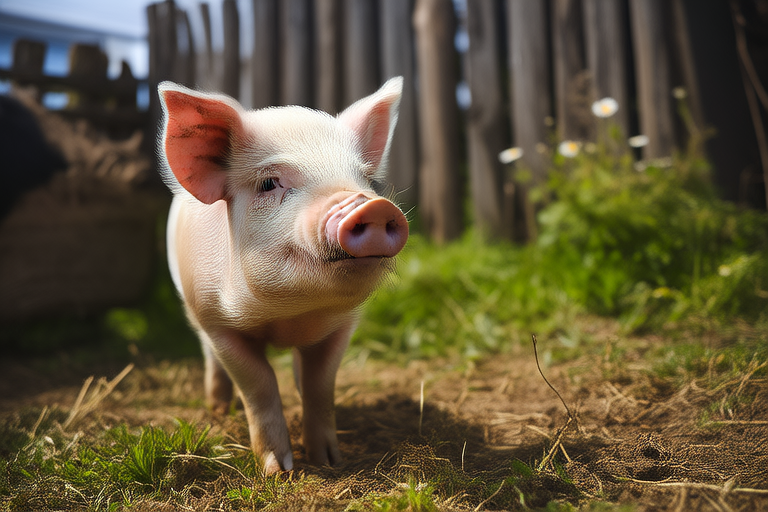
Mini Pigs Unveiled: Debunking Myths About These Tiny Terrors
Introduction
Mini pigs have become increasingly popular as pets over the past few decades. Their small size and cute appearance have led many people to believe they are easy to care for and will remain small throughout their lives. However, there are several misconceptions surrounding these intelligent creatures. This article aims to debunk some of the most common myths about mini pigs and provide accurate information about their care, behavior, and suitability as pets.
Myth 1: All Mini Pigs Stay Small
One of the most pervasive myths about mini pigs is that they will remain small enough to fit in your lap or live comfortably in a small apartment. Unfortunately, this is far from the truth. Mini pigs can vary greatly in size depending on their breed, genetics, and diet. While some breeds like the Juliana pig may stay relatively small, others, such as the Vietnamese pot-bellied pig, can grow to be quite large.
Scientifically speaking, pigs are omnivores and require a balanced diet rich in nutrients to maintain their health. Overfeeding or feeding them inappropriate food can lead to rapid weight gain and obesity. On average, a fully grown mini pig can weigh between 50 to 70 pounds, but some can reach up to 150 pounds or more. It’s essential to research the specific breed you’re interested in and understand its potential adult size before making a commitment.
Myth 2: Mini Pigs Are Low-Maintenance Pets
Another common misconception is that mini pigs are low-maintenance pets. In reality, they have specific dietary needs and require plenty of space to roam and exercise. Feeding a mini pig is not as simple as tossing them a few scraps from the table. They need a balanced diet consisting of high-quality commercial pig feed, fruits, vegetables, and limited amounts of grains.
Space requirements for mini pigs can also be significant. They need a large, secure outdoor area where they can explore, play, and get the physical activity they need to stay healthy. Indoor living spaces should be spacious enough to allow them to move around freely without feeling cramped. Providing adequate space is crucial for their mental and physical well-being.
Myth 3: Mini Pigs Are Dirty Animals
Contrary to popular belief, mini pigs are actually quite clean animals. They are known to be fastidious groomers, spending a considerable amount of time cleaning themselves and each other. Like cats, they use their tongues to lick their fur, keeping themselves neat and tidy. Additionally, pigs have a natural instinct to root in the ground, which helps them find food and keep their environment clean.
Despite their cleanliness, it’s important to provide regular baths and nail trims for your mini pig. Just like any other pet, they need routine grooming to ensure their overall health and hygiene. Regular visits to the veterinarian are also necessary to address any potential health issues and maintain their well-being.
Myth 4: Mini Pigs Are Solitary Animals
Many people assume that mini pigs are solitary animals, but this couldn’t be further from the truth. Pigs are highly social creatures that thrive in the company of others. In the wild, they live in groups called sounders, which consist of multiple families. Domesticated mini pigs also benefit from having companions, whether it’s another pig or a human family member.
Having a companion can significantly improve the quality of life for a mini pig. They enjoy playing, cuddling, and interacting with others. If you’re considering adopting a mini pig, it’s advisable to have another pig as a companion to ensure they don’t feel lonely. Alternatively, spending ample time with your pig and providing plenty of toys and activities can help meet their social needs.
Conclusion
In conclusion, mini pigs are fascinating animals with unique characteristics and needs. By debunking the myths surrounding their size, maintenance, cleanliness, and social behavior, we hope to provide a clearer understanding of what it takes to care for these intelligent creatures. Before adopting a mini pig, it’s crucial to do thorough research and prepare yourself for the long-term commitment involved in their care.
Understanding mini pigs and their requirements is the first step toward responsible pet ownership. With proper care, attention, and love, mini pigs can make wonderful companions. Remember, every animal deserves a loving home, and by educating ourselves, we can ensure that mini pigs receive the care they deserve.
