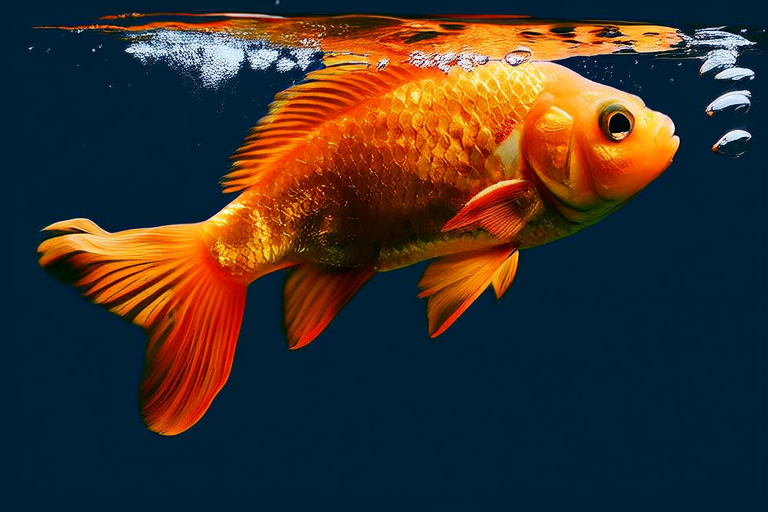
Goldfish: More Than Just Pretty Faces – Their Surprising Lifespan Secrets
Introduction
Goldfish are often considered low-maintenance pets, but there’s more to these charming creatures than meets the eye. Many people underestimate their potential for longevity, believing they live only a few years. In reality, goldfish can thrive for decades with proper care. This article delves into the surprising lifespan secrets of goldfish, debunking common misconceptions and offering practical advice for extending their lives.
Common Misconceptions About Goldfish Lifespan
One of the most prevalent myths is that goldfish have a maximum lifespan of just a couple of years. This misconception stems from the conditions in which many goldfish are kept, particularly in small bowls or tanks without adequate filtration or care. In fact, goldfish can live much longer under ideal circumstances.
Another myth is that goldfish grow to fit their environment. While it’s true that goldfish will adapt to their living space, this does not mean they stop growing. Instead, they may become stunted if the tank is too small, leading to health issues and a shorter lifespan.
Factors Affecting Goldfish Longevity
Water Quality
Water quality is paramount for goldfish health. Ammonia, nitrite, and nitrate levels must be carefully monitored. High levels of these compounds can cause stress, leading to disease and reduced lifespan. Regular partial water changes and efficient filtration systems are essential.
Temperature also plays a significant role. Goldfish are coldwater fish, thriving between 68°F and 74°F (20°C to 23°C). Fluctuations outside this range can stress them, shortening their lives.
Diet
A balanced diet rich in nutrients is crucial. Overfeeding leads to obesity and health problems, while underfeeding can result in malnutrition. High-quality flake foods, pellets, and occasional treats like brine shrimp or bloodworms provide necessary vitamins and minerals.
Varying the diet helps prevent boredom and ensures all nutritional needs are met. Feeding once or twice daily, depending on the fish’s size and activity level, is recommended.
Tank Size
Goldfish require ample space to swim freely. A rule of thumb is one gallon of water per inch of fish. Smaller tanks can lead to poor water quality due to higher waste concentration, causing stress and health issues.
Providing hiding spots and plants creates a stimulating environment, reducing stress and promoting well-being.
Care Routines
Regular cleaning and maintenance are vital. Weekly water changes help maintain water quality, and routine checks for signs of illness or injury ensure prompt treatment.
Social interaction is also important. Goldfish are social animals that benefit from companionship. However, overcrowding should be avoided as it increases stress and competition for resources.
Scientific Insights on Goldfish Biology
Goldfish possess unique biological adaptations that contribute to their longevity. They have robust immune systems and the ability to regenerate certain tissues, such as fins. Their slow metabolism allows them to conserve energy, aiding survival in challenging environments.
Research shows that goldfish can recognize their owners and respond to different stimuli, indicating intelligence and emotional capacity. Understanding these traits enhances the bond between owner and pet, fostering better care.
Tips for Optimal Goldfish Care
- Proper Housing: Ensure a large, well-filtered tank with appropriate temperature and pH levels.
- Healthy Diet: Offer varied, nutritious food and avoid overfeeding.
- Regular Maintenance: Perform weekly water changes and monitor water parameters.
- Stimulating Environment: Provide hiding spots, plants, and interactive toys.
- Monitoring Health: Watch for signs of illness and seek veterinary care promptly.
Inspiring Stories of Exceptionally Long-Lived Goldfish
Stories of goldfish living extraordinarily long lives highlight the potential when cared for properly. One notable example is Tish, a goldfish who lived for 43 years. Her owner, John, attributes her longevity to a spacious pond with excellent water quality and a balanced diet.
Another inspiring tale is that of Goldie, who reached 41 years of age. Her owner, Sarah, emphasizes the importance of regular health check-ups and maintaining a stress-free environment. These stories underscore the impact of dedicated care on goldfish longevity.
Conclusion
Goldfish are more than just pretty faces; they are intelligent, adaptable creatures capable of living long, healthy lives. By understanding the factors that influence their longevity and providing optimal care, we can ensure our goldfish enjoy extended lifespans. With patience, dedication, and knowledge, goldfish can become cherished lifelong companions.
